



In the world of health and science, new discoveries often shine light on hidden dangers in our daily lives. The ueg week 2025 microplastics gut microbiome study press release marks a big step forward. It shows how tiny plastic bits, called microplastics, mess with the bugs in our guts. These bugs, or microbiome, help us digest food and stay healthy. This study, shared at a big meeting in Berlin, uses real human samples for the first time. It warns us about risks like feeling sad or getting sick with cancer in the gut.
Experts from Europe led this work. They wanted to see if microplastics change our gut friends. And yes, they do. The news came out in October 2025. It got people talking because microplastics are everywhere. We eat them in fish, drink them in water, and breathe them in air. This press release helps us understand why we need to cut back on plastics now.
What Are Microplastics and Why Do They Matter?
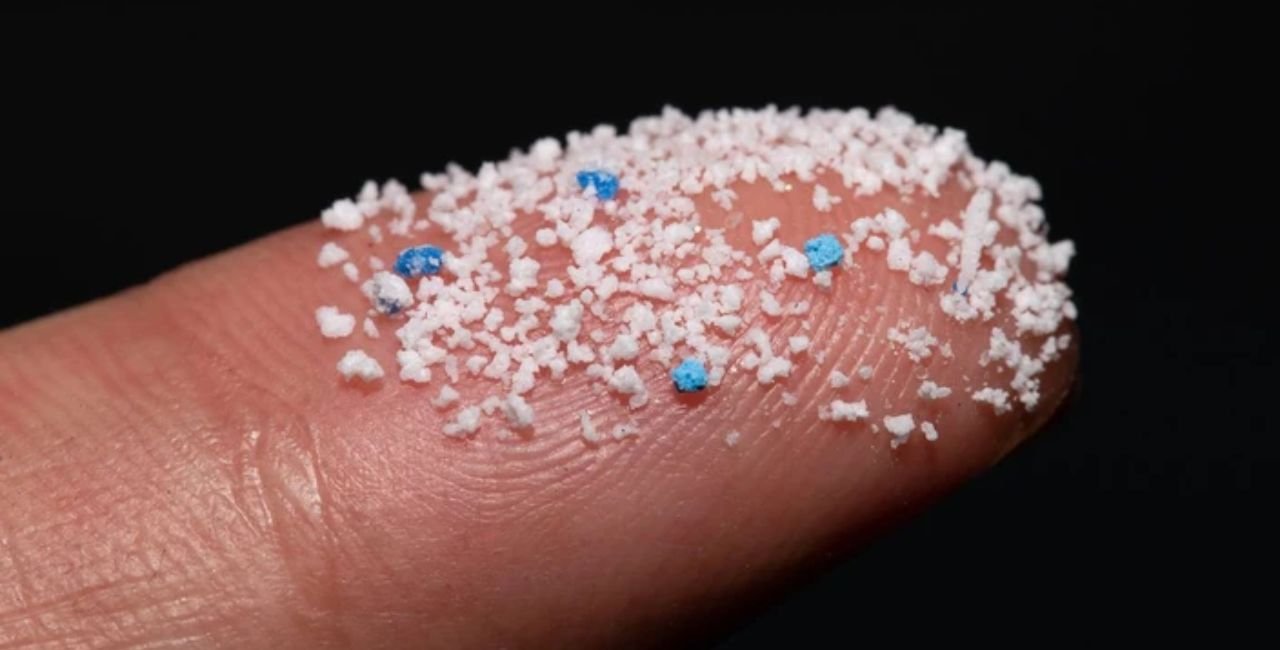
Microplastics are small pieces of plastic. They measure less than 5 millimeters. That’s about the size of a sesame seed or smaller. These bits come from big plastics breaking down. They also come from things like face scrubs, clothes fibers, and tire dust.
People find microplastics in oceans, rivers, and soil. But they sneak into our bodies too. We swallow them with food and water. Studies show most folks have them inside. One report says we eat a credit card’s worth of plastic each week. That’s scary, but true.
Why care? These plastics don’t break down easy. They stick around and might harm health. Past research links them to lung problems and hormone changes. Now, this new study looks at the gut. The gut holds trillions of bacteria. These help fight germs, make vitamins, and boost mood.
If microplastics upset this balance, bad things happen. Think tummy aches, weak immune systems, or even brain fog. The ueg week 2025 microplastics gut microbiome study press release puts a spotlight here. It uses science to show real changes.
Background on the Gut Microbiome
Your gut microbiome is like a busy city. Billions of bacteria, fungi, and viruses live there. They work together to break down food. They make short-chain fatty acids that feed gut cells. These acids also calm swelling and help the brain.
A healthy microbiome means good digestion. It fights off bad bugs. It even affects weight and sleep. But junk food, stress, or meds can throw it off. When out of whack, you might get IBS, allergies, or diabetes.
Scientists study this with tools like DNA tests. They count bacteria types and see what they do. In this study, they grew gut bugs outside the body. This lets them test safely.
The microbiome links to big diseases too. For example, low diversity means higher risk for heart issues. Changes in certain bugs tie to Parkinson’s. Mental health? Yes, gut bugs make chemicals that affect the brain. Serotonin, a happy chemical, mostly comes from the gut.
Understanding this helps doctors. Probiotics and diet changes fix imbalances. But now, add microplastics to the mix. They might act like invaders.
All About UEG Week 2025
UEG stands for United European Gastroenterology. It’s a group for gut health experts. Founded in 1992, it brings together doctors from over 50 countries. They share knowledge and fund research.
UEG Week is their big yearly event. In 2025, it happened in Berlin from October 3 to 7. Thousands came to hear talks on liver disease, gut cancer, and more. It’s a place for new ideas.
This year, the ueg week 2025 microplastics gut microbiome study press release was a highlight. It fit the theme of environment and health. UEG pushes for clean living to protect guts.
Past UEG events covered COVID’s gut effects and new meds. They offer classes and awards. If you’re a doctor or student, it’s a must-go.
Diving into the Study Methods
How did they do this research? Let’s break it down.
First, they took stool from five healthy people. These folks had no gut issues. Stool has live gut bugs.
Then, they grew these bugs in lab dishes. This is called ex vivo. It means outside the body but like real life.
Next, they added microplastics. Not just one kind—five common ones:
- Polystyrene: From foam cups and packing peanuts.
- Polypropylene: In food containers and ropes.
- Low-density polyethylene: Used in bags and wraps.
- Poly(methyl methacrylate): In paints and lenses.
- Polyethylene terephthalate: From bottles and clothes.
They used amounts like what we eat daily. Also higher doses to see if more hurts more.
After adding, they waited and tested. They checked:
- How many bugs lived.
- The acid level (pH).
- What bugs grew more or less.
- Chemicals the bugs made.
This setup mimics the gut. It’s safe and lets them control things.
The team came from CBmed in Austria. It’s a research center. They work with schools and companies. The microONE project funds this. It looks at tiny plastics in bodies.
Lead scientist Christian Pacher-Deutsch knows ecology. He studied plastics in beaches before. Now, he focuses on health.
Key Findings from the UEG Week 2025 Microplastics Gut Microbiome Study Press Release
Here’s the big news. Microplastics change the gut world.
Bug counts stayed the same. Total bacteria and live ones didn’t drop much.
But pH fell. That means more acid. Acid changes how bugs work. It might stress them.
Bacterial mixes shifted. Some families grew, others shrank. Key ones:
- Lachnospiraceae: Helps break fiber.
- Oscillospiraceae: Links to slim bodies.
- Enterobacteriaceae: Can cause infections if too many.
- Ruminococcaceae: Makes good acids.
Most changes hit Bacillota phylum. This group is key for gut health.
Chemicals changed too. Bugs make stuff like valeric acid and lactic acid. Levels went up or down based on plastic type. Some tied to the acid drop.
Scary part? These shifts look like those in sick people. For depression, bugs make less happy chemicals. In colorectal cancer, acid and bugs go wrong.
One reference: A 2023 study in Frontiers in Microbiomes talks gut pH in health. Another from 2013 links low pH to colon cancer.
The press release says this is first for human samples. Past work used animals or fake guts.
Quotes from Christian: “Microplastics may create spots for bugs to stick. Or leak chemicals that mess metabolism.” He adds, “It’s early, but cut exposure.”
Health Implications and Risks
What does this mean for you?
Gut changes could lead to trouble. More acid might hurt gut walls. This causes leaks, letting bad stuff into blood.
For mental health: Gut bugs talk to brain via nerves and chemicals. If plastics shift bugs, mood drops. Depression links to low Bacillota.
Cancer risk: Colon cancer likes wrong bugs. Short-chain fatty acids protect, but changes cut them.
Other risks: Weak immunity, weight gain, or diabetes. Microplastics carry toxins too. These add harm.
But don’t panic. The study is small—five people. Ex vivo, not in bodies. More work needed.
Still, it’s a wake-up. Microplastics are in 93% of bottled water, per one test. Seafood has them. Even air.
Kids might suffer more. Their guts grow fast.
Pregnant women: Plastics cross to babies.
Global issue: Poor areas have more pollution.
The press release urges caution. Reduce plastics to protect microbiome.
Ways to Reduce Microplastic Exposure
You can act now. Here’s how:
- Drink tap water. Filter it if needed. Avoid bottled.
- Eat fresh food. Less packaged means less plastic.
- Use glass or steel. For storage and drinks.
- Wash clothes less. Synthetic fibers shed plastics.
- Choose natural cosmetics. No microbeads.
- Support laws. Push for plastic bans.
Tips from experts: Eat fiber-rich foods. This feeds good bugs. Probiotics help too.
One study: Switching to glass cut plastic in body by 20%.
Be reassuring: Small changes add up. Science moves fast. Soon, better fixes.
Related Research and Studies
This isn’t alone. Past work builds on it.
In 2018, scientists found microplastics in human stool first time. Eight people from different countries—all had them.
Animal tests: Mice fed plastics got gut inflammation.
Ocean studies: Fish guts full of plastics. We eat those fish.
Microbiome field grows. A 2020 review in Nature links pollution to gut shifts.
For depression: 2023 paper in Pharmaceuticals shows bug patterns in sad people.
Cancer: 2019 Frontiers study ties bugs to colon tumors.
UEG has more. Last year, they talked air pollution and guts.
Future: microONE plans nano-plastics next. Smaller than micro, harder to see.
Global efforts: UN talks plastic treaty.
Expert Views and Quotes
Christian Pacher-Deutsch leads. He says: “The key takeaway is that microplastics do have an impact on our microbiome.”
Other experts agree. A gut doctor from UEG: “This opens doors. We need real-body tests.”
From environment side: “Plastics are forever. Act now.”
Quotes reassure: “While concerning, knowledge empowers change.”
Broader Environmental Context
Microplastics tie to big pollution. Plastics production hits 400 million tons yearly.
They come from:
- Breakdown of bags, bottles.
- Microbeads in products (banned in some places).
- Fibers from washing machines.
Oceans have trash islands. Animals die from eating plastics.
Humans: Blood, lungs, placentas have them.
Health costs: Billions in medical bills?
Solutions: Recycle more. Use bio-plastics.
Link to climate: Plastics from oil, add CO2.
For more on eco impacts, check Ultra Panda for fun ways to learn.
Future Directions in Research
What’s next? Bigger studies. Test in live people.
Track long-term: Do changes last?
Dose matters: How much is too much?
Types: Some plastics worse?
Fixes: Can bugs break plastics?
Tech: Better filters for water.
Funding: Governments step up.
UEG plans more at 2026 week.
FAQs on Microplastics and Gut Health
What is the gut microbiome? Trillions of bugs in your intestines that aid digestion and health.
How do microplastics get in us? Through food, water, air.
Is the study reliable? Yes, but small. More needed.
Can I test my microbiome? Home kits exist, but see a doctor.
What foods help gut? Yogurt, veggies, fruits.
Include the focus keyword in FAQs? Yes, like: What does the ueg week 2025 microplastics gut microbiome study press release mean? It shows plastics change bugs.
Challenges in Studying Microplastics
Hard to study. Tiny size. Hard to measure.
Ethics: Can’t feed people plastics.
Models like ex vivo help.
Labs need clean rooms—no plastic tools.
Data: Varies by person. Diet, age matter.
Global teams help. Like microONE.
Personal Stories and Examples
Imagine Jane. She drinks bottled water daily. Might have more plastics.
Or Tom, a fisherman. Eats sea food often.
Real case: A study volunteer said, “Shocked to learn this.”
Examples reassure: Many live healthy despite exposure.
Statistics on Microplastics
- 14 million tons enter oceans yearly (UN).
- 80% of tap water has them (Orb Media).
- Humans ingest 50,000 particles yearly (Dalberg).
- Gut bugs: 100 trillion in body.
- Depression: Affects 280 million (WHO).
- Colorectal cancer: 1.9 million cases 2020.
These numbers show scale.
Policy and Advocacy
Governments act. EU bans microbeads.
US: Some states limit plastics.
Advocacy: Groups like Ocean Cleanup.
You can: Sign petitions, vote green.
Integrating with Daily Life
Make it habit. Shop with reusable bags.
Teach kids: Schools add lessons.
Work: Push for plastic-free offices.
Health apps track exposure? Coming soon.
Deep Dive into Bacterial Families
Lachnospiraceae: Produce butyrate, fights inflammation.
Oscillospiraceae: Link to anti-obesity.
Enterobacteriaceae: If high, risk infections.
Ruminococcaceae: Fiber digesters.
Changes here matter.
In study, polystyrene hit Lachno hard.
Metabolites Explained
Valeric acid: Smells bad, but helps nerves.
Lactic acid: From yogurt, but too much sours gut.
Lysine: Amino acid, bugs use it.
PH drop: From 7 to 6, like vinegar.
Comparing Plastic Types
Polystyrene: Most change in bugs.
Polypropylene: Less pH drop.
Others vary.
Choose products wisely.
Links to Other Health Areas
Heart: Gut bugs affect cholesterol.
Skin: Microbiome links to acne.
Brain: Alzheimer’s ties to gut.
Plastics amplify.
Educational Resources
Books: “Plastic Ocean” by Moore.
Sites: UEG.eu for guts.
Videos: TED talks on pollution.
Wrapping Up the Impact
This study opens eyes. It connects environment to inner health.
Conclusion
The ueg week 2025 microplastics gut microbiome study press release brings vital news. It proves microplastics shift gut bugs in ways like disease patterns. From methods to findings, it’s a call to action. Reduce plastics, eat well, stay informed. Health starts in the gut.
What steps will you take to cut microplastics in your life?
References
- United European Gastroenterology. Microplastics found to change gut microbiome in first human-sample study. Available at: https://ueg.eu/a/374. Accessed February 24, 2026. This is the official UEG press release, providing primary study details for researchers and health pros.
- PR Newswire. UEG Week 2025: Microplastics found to change gut microbiome in first human-sample study. Available at: https://www.prnewswire.com/news-releases/ueg-week-2025-microplastics-found-to-change-gut-microbiome-in-first-human-sample-study-302567147.html. Accessed February 24, 2026. A widely distributed press announcement targeting media and general public interested in environmental health.
- EMJ Reviews. Microplastics alter human gut microbiome in landmark study. Available at: https://www.emjreviews.com/gastroenterology/news/microplastics-alter-human-gut-microbiome-in-landmark-study/. Accessed February 24, 2026. A medical journal summary for gastroenterologists and students seeking in-depth analysis.
