


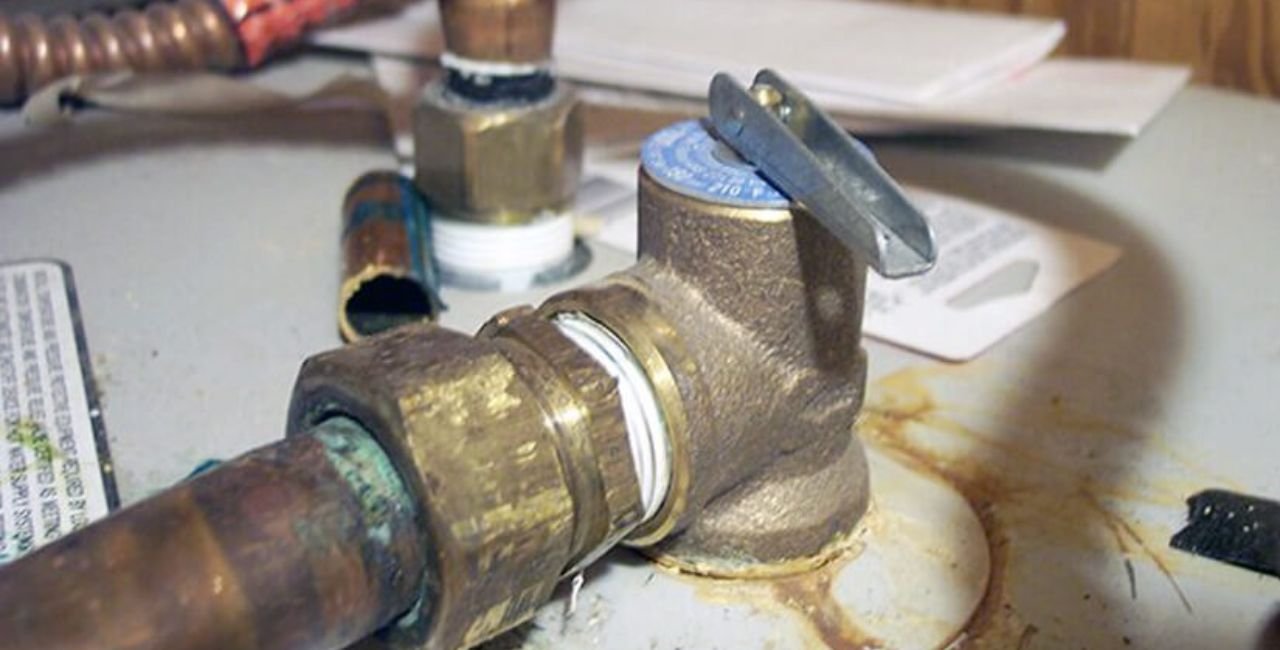
Water heaters sit quietly in basements or closets, providing hot showers and clean dishes every day. But a small error in their setup can turn them into serious hazards. One common problem is when the temperature and pressure relief (TPR) valve’s discharge pipe runs uphill instead of down. This setup, known as tpr plumbed uphill, blocks proper water flow and raises big safety risks. Experts warn that this mistake can lead to corrosion, valve failure, and even explosions. In this guide, we explore why it happens, what dangers it brings, and how to fix it right.
What Is a TPR Valve?
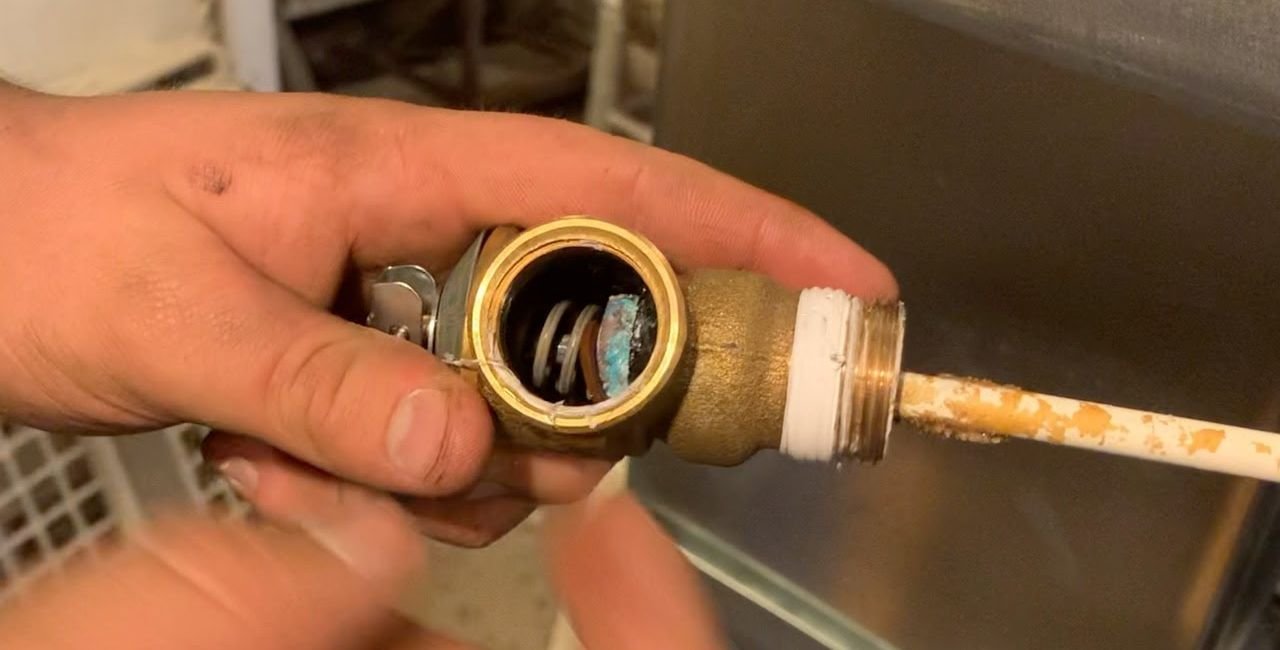
Plumbers install TPR valves on water heaters to keep things safe. These valves open automatically if the water gets too hot or the pressure builds too high. They release steam or water through a discharge pipe to prevent the tank from bursting.
The valve usually sits on the top or side of the tank. It has a lever for testing. Codes require these valves since they stop disasters. Without them, hot water tanks could overheat and explode like bombs.
TPR valves sense two things:
- Temperature: They open at about 210 degrees Fahrenheit.
- Pressure: They release at around 150 pounds per square inch (psi).
This dual action protects homes. But the discharge pipe must work well too. If it’s set up wrong, like in tpr plumbed uphill, the whole system fails.
Why Avoid TPR Plumbed Uphill?
Water flows down with gravity. That’s why discharge pipes must slope downward. An uphill run traps water in the pipe after the valve closes. This standing water causes problems over time.
Inspectors spot this error often in old homes or DIY jobs. Builders sometimes route pipes uphill to avoid cutting walls or floors. But codes ban it for good reasons.
Key rules for discharge pipes include:
- Slope downward always.
- Use materials like copper that handle heat.
- Keep the pipe the same size as the valve outlet, usually 3/4 inch.
- End the pipe 6 to 12 inches above the ground outside or over a drain.
These rules come from plumbing codes like the Uniform Plumbing Code. They ensure quick, full release of pressure.
The Dangers of TPR Plumbed Uphill
Tpr plumbed uphill creates hidden threats. Water pools against the valve, leading to rust and clogs. A stuck valve can’t open in an emergency, letting pressure build until the tank ruptures.
Explosions are rare but deadly. When water superheats, it turns to steam fast. Steam expands 1,600 times its liquid size, launching the tank like a rocket through floors or walls. Injuries and property damage follow.
Statistics show the risk:
- About 1 in 10 water heater failures ties to faulty TPR setups.
- In Washington State, explosions happen every 10 to 20 years from bad valves.
- Faulty relief valves cause most boiler and heater blasts, per safety reports.
Corrosion eats away at the valve over months or years. Minerals in water build up, freezing the parts. Tests show uphill pipes speed this up by 50% compared to downhill ones.
Other risks include:
- Leaks from weakened pipes.
- Flooding if water backs up inside.
- Fire hazards if hot water hits gas lines.
Homeowners often miss these signs until too late. Regular checks catch them early.
History of TPR Valves and Plumbing Standards
TPR valves date back to the early 1900s. Inventors saw the need after early boiler explosions. By 1910, codes required them on hot water systems.
In the 1920s, gas water heaters grew popular. More homes meant more risks. Engineers improved valves to handle both heat and pressure.
The 1970s brought stricter rules. Codes added requirements for discharge pipes, banning uphill runs. Groups like the International Code Council set global standards.
Today, every new water heater comes with a TPR valve. But old units need updates. History teaches us that ignoring these leads to repeats of past disasters.
Common Mistakes in TPR Installation
Many errors happen during setup. Tpr plumbed uphill tops the list, but others include:
- Using plastic pipes that melt under heat.
- Reducing pipe size, which blocks flow.
- Creating traps or low spots that hold water.
- Connecting to other drains, sharing lines.
- Capping the valve to stop drips.
Forum discussions reveal real cases. One inspector found a gas line hooked to a TPR valve by mistake. This mixed fuel and water relief, creating explosion risks.
DIYers often skip codes. Pros know better but rush jobs. Always hire licensed plumbers for installs.
How to Fix TPR Plumbed Uphill
Spot a problem? Fix it fast. Start by turning off the water heater. Drain the tank if needed.
Steps to correct:
- Inspect the setup: Look for uphill slopes or traps.
- Remove old pipe: Cut away the wrong section carefully.
- Install new pipe: Use copper or approved metal. Slope it down at least 1/4 inch per foot.
- Secure connections: Thread tightly, no leaks.
- Test the valve: Lift the lever to check flow.
If uphill can’t be avoided, some codes allow special setups with drains for standing water. But downhill is best.
Costs run $100 to $300 for parts and labor. It’s worth it for peace of mind.
For advanced fixes, consider Watts valves. These shut off gas too, adding safety layers.
Testing Your TPR Valve
Test every six months. It’s simple and saves lives.
How to do it:
- Place a bucket under the pipe end.
- Lift the lever slowly.
- Hot water should rush out.
- Lower the lever; flow stops.
No flow? Replace the valve. Leaks after? Flush debris by lifting again.
Experts say frequent tests cut leak risks from buildup. Always wear gloves; water is hot.
If tests fail, call a pro. Don’t ignore drips—they signal issues.
Maintenance Tips for Water Heater Safety
Keep your system running smooth. Clean the tank yearly to remove sediment.
Tips include:
- Check for rust on pipes.
- Listen for popping sounds, a sign of pressure issues.
- Adjust thermostat to 120 degrees max.
- Install expansion tanks if needed for pressure.
Bold steps help: Flush the tank every year. Inspect valves twice yearly.
For resources on home maintenance, check UltraPanda for tools and tips.
Case Studies of TPR Failures
Real stories show the stakes. In one home, an uphill pipe caused corrosion. The valve stuck during overheating. The tank burst, flooding the basement and costing $10,000 in repairs.
Another case: A forum user shared a gas line mix-up with TPR. Inspectors fixed it before disaster.
In Texas, a bad setup led to an explosion injuring two. The cause? Tpr plumbed uphill trapping water.
These examples from inspection sites highlight why codes matter.
Alternatives to Traditional TPR Setups
Some areas use system-wide pressure relief. But tank-mounted TPR is standard.
New tech includes smart valves that alert phones to issues. Or combo units with gas shutoffs.
For uphill challenges, drill small holes in low points to drain water. But consult codes first.
Always prioritize safety over convenience.
Statistics on Water Heater Explosions
Data scares but informs. The National Board of Boiler Inspectors reports TPR failures in 20% of incidents.
- Explosions injure hundreds yearly worldwide.
- Most tie to neglected maintenance.
- Proper TPR cuts risks by 90%.
In the U.S., faulty valves cause property damage over $1 million annually.
These numbers push for better awareness.
The Science Behind TPR Valves
Heat makes water expand. Pressure builds in closed tanks. TPR valves use springs and sensors to open at limits.
When open, they vent to safe spots. Uphill blocks this, defying physics.
Corrosion science: Water plus metal equals rust. Standing water speeds it.
Understanding this helps homeowners act.
TPR in Different Water Heater Types
Gas heaters need extra care with flames nearby. Electric ones focus on element failures.
Tankless units have built-in relief but still need proper piping.
All types ban tpr plumbed uphill.
Legal and Code Requirements
Codes vary by state but share basics. California allows some uphill with drains.
Fines hit $500 for violations. Insurance may deny claims on bad setups.
Know your local rules.
FAQs About TPR Plumbed Uphill
What is tpr plumbed uphill?
It’s when the discharge pipe runs upward, trapping water and causing risks.
Why is tpr plumbed uphill bad?
It leads to corrosion and blocks emergency release, raising explosion chances.
How do I know if my TPR is plumbed wrong?
Check for uphill slopes or pooled water signs.
Can I fix tpr plumbed uphill myself?
Basic fixes yes, but pros ensure code compliance.
How often test TPR valves?
Every six months to keep them working.
Conclusion
Tpr plumbed uphill is a fixable but serious error. It threatens homes with corrosion, failures, and blasts. By understanding risks and following codes, you protect your family. Regular tests and proper installs make all the difference.
In summary, avoid uphill runs, test often, and hire experts. This keeps water heaters safe and reliable.
Have you checked your TPR setup lately? Share your experiences below.
References
- Water Heater Rescue Horror Page – Details on inspection horrors and why uphill plumbing fails, aimed at homeowners and inspectors seeking safety tips.
- NACHI Forum on Gas Line to TPR – Discussions for professionals on improper connections, useful for plumbers and DIYers.
- ATX Inspect on TPR Testing – Maintenance guide for Central Texas residents, focusing on testing and common errors.
