


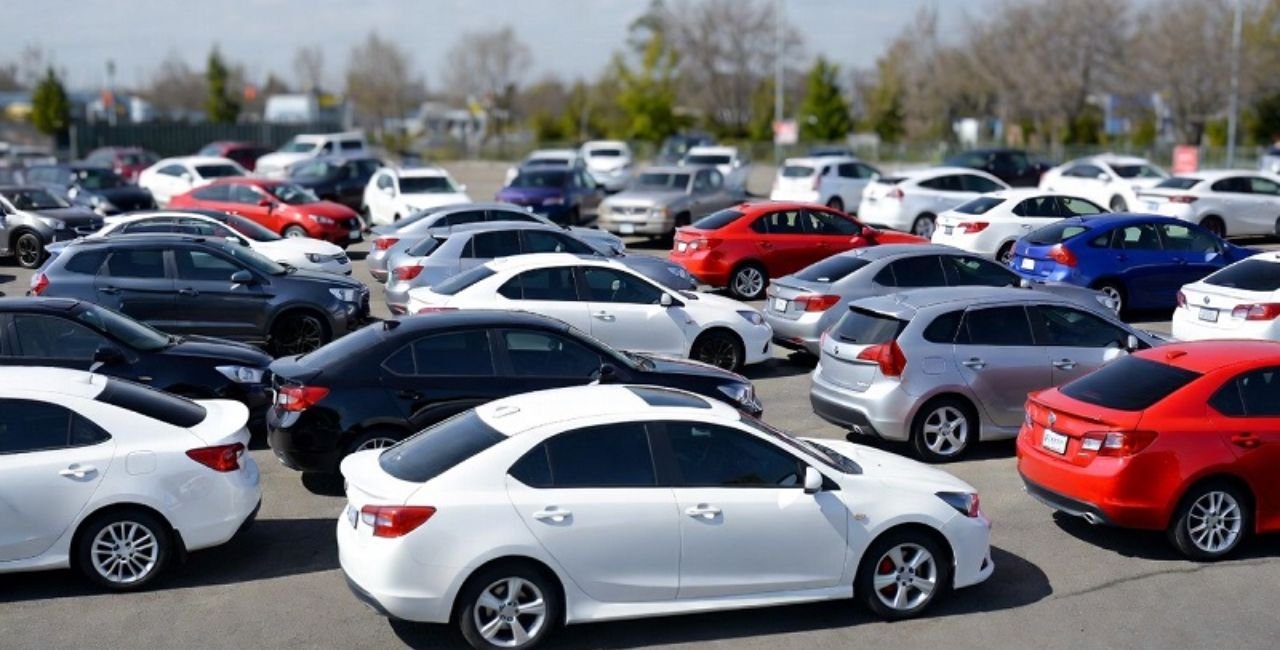
The automotive industry continues to evolve at a rapid pace, reflecting changing consumer needs, technological advancements, and environmental considerations across different regions. When we examine top selling cars worldwide, patterns emerge that highlight not just popularity but also the practical qualities that resonate with millions of drivers every year. These vehicles stand out for their balance of performance, efficiency, durability, and value, making them favorites in diverse markets from bustling urban centers in Asia to expansive rural areas in North America.
In this comprehensive article, we delve into the latest data on global car sales, historical context, detailed model breakdowns, influencing factors, regional differences, and future outlooks. Whether you are a car enthusiast, a potential buyer, or simply curious about industry dynamics, this analysis offers clear, actionable insights grounded in real-world sales figures and trends up to early 2026.
Historical Evolution of Global Car Sales Leaders
Understanding the top selling cars worldwide requires looking back at how preferences have shifted over decades. The automotive landscape has transformed dramatically since the early 20th century, moving from basic transportation to sophisticated machines that integrate safety, comfort, and sustainability features.
One of the most enduring success stories is the Toyota Corolla, which has achieved cumulative sales exceeding 50 million units since its introduction in 1966. This compact sedan earned its reputation through consistent reliability, fuel efficiency, and affordability, becoming a staple in households globally. Similarly, the Ford F-Series pickup trucks have sold over 43 million units since 1948, dominating in markets where utility and towing capacity matter most.
Other all-time greats include the Volkswagen Golf with around 37 million units, the Volkswagen Passat at 34 million, and the Honda Civic with 28 million. These figures, drawn from long-term production records, illustrate how certain nameplates have transcended generations by adapting to consumer demands without losing core strengths like build quality and everyday usability.
For a deeper historical perspective on cumulative sales, refer to the list of best-selling automobiles on Wikipedia, which provides extensive data on these iconic models.
In the late 20th century, the Volkswagen Beetle held the crown for many years before being overtaken. By the 1980s and 1990s, Japanese brands like Toyota and Honda surged ahead due to their focus on efficient engineering and customer satisfaction. This era marked a shift toward vehicles that prioritized longevity over flashy designs, setting the stage for today’s market leaders.
Current Global Rankings: Best Selling Cars 2025 and Early 2026 Insights
As we move into 2026, the latest full-year data from 2025 reveals fascinating shifts among the most popular vehicles worldwide. According to aggregated registrations from over 160 countries, the Tesla Model Y claimed the top spot with approximately 1.2 percent global market share, despite a 9.3 percent year-over-year decline. Its success stems from strong appeal in electric vehicle segments, particularly in Asia, where it remains a benchmark for innovation.
Close behind in second place is the Toyota RAV4, which moved up one position with only a modest 1.4 percent drop in sales. Gains in the Americas (+0.4 percent) and Asia (+0.9 percent) helped offset losses in Europe. This compact SUV exemplifies the growing preference for versatile crossovers that combine passenger comfort with light off-road capability.
The Toyota Corolla secured third place, experiencing a 9.2 percent decline but maintaining its stronghold through broad availability and proven dependability. Other notable entries in the top ten include:
- 4. Ford F-Series – Up 8.1 percent, favored for its robust performance in work-oriented markets.
- 5. Honda CR-V – A reliable midsize SUV with steady demand.
- 6. Chevrolet Silverado – Strong in truck segments.
- 7. Hyundai Tucson – Up 3.9 percent, highlighting Korean brands’ rising influence.
- 8. Toyota Camry – Gained 9.4 percent, appealing to sedan enthusiasts.
- 9. Volkswagen Tiguan – Climbed four spots.
- 10. Kia Sportage – Consistent performer in the crossover category.
These rankings reflect a blend of traditional strengths and modern adaptations. Hybrids and plug-in models within these lineups have contributed significantly to their sustained popularity, offering better efficiency without compromising on power or space. Chinese manufacturers like Geely and Wuling also made notable gains with models such as the Geely Xingyuan, which surged dramatically in electric segments.
Top selling cars worldwide data for 2025 underscores the dominance of SUVs and crossovers, which now account for a larger share than traditional sedans in many regions. This shift aligns with family-oriented lifestyles that value higher seating positions and versatile cargo space.
What Drives the Success of These Global Leaders
Several key factors explain why certain models consistently rank among the most popular vehicles worldwide. Reliability tops the list for many buyers. Toyota vehicles, for instance, have built a loyal following through rigorous quality control and low maintenance costs over time. Owners often report trouble-free operation for hundreds of thousands of kilometers, making these cars a smart long-term choice.
Fuel efficiency and hybrid technology play a crucial role as well. With rising awareness of environmental responsibility, models offering hybrid powertrains deliver impressive mileage while reducing emissions. The Toyota RAV4 hybrid variant, for example, provides a seamless blend of gasoline and electric power, appealing to drivers seeking both performance and economy.
Safety features have become non-negotiable. Top-selling models incorporate advanced driver assistance systems, including automatic emergency braking, lane-keeping support, and multiple airbags. These innovations enhance peace of mind for families and daily commuters alike.
Design and practicality also matter. The Ford F-Series excels in markets requiring heavy-duty capabilities, such as towing trailers or hauling equipment. Its spacious cabin and powerful engines cater to professionals and enthusiasts who need more than basic transportation.
Innovation in electric and connected features further boosts appeal. The Tesla Model Y integrates cutting-edge battery technology, over-the-air updates, and a minimalist interior that prioritizes digital interfaces. Such advancements attract tech-savvy buyers looking toward sustainable mobility.
To explore more about advancements in artificial intelligence for vehicles, including autonomous features that are shaping the future, visit the related guide on ultrapanda.co.
Affordability remains a core driver. Many of these leaders offer competitive pricing relative to their features, making them accessible across income levels in emerging and developed markets.
Regional Variations in Car Preferences
Global car sales are not uniform; preferences vary significantly by continent and even within countries.
In Asia, particularly China and India, compact and affordable models dominate due to dense urban environments and fuel costs. The Toyota Corolla and local hybrids thrive here, supported by government incentives for efficient vehicles.
North America favors larger vehicles. Pickup trucks like the Ford F-Series and Chevrolet Silverado lead sales because of their utility in suburban and rural settings. SUVs such as the Toyota RAV4 and Honda CR-V also perform strongly for family transportation.
Europe emphasizes smaller, efficient cars with strong environmental credentials. The Volkswagen Tiguan and Kia Sportage gain traction through their compact footprints and low-emission options, aligning with strict regulations on fuel consumption.
Latin America and Africa show growing demand for durable, versatile vehicles that handle varied road conditions. Models with higher ground clearance and robust suspensions excel in these areas.
These regional differences highlight how manufacturers tailor offerings to local needs while maintaining core global platforms.
The Rise of SUVs, Crossovers, and Sustainable Options
One of the most noticeable trends in recent years is the surge in SUV and crossover popularity. These vehicles now represent the majority of new sales in many markets because they offer elevated driving positions, ample storage, and a sense of security.
Hybrids have bridged the gap between traditional internal combustion engines and fully electric options. They provide immediate benefits like improved mileage and lower running costs without requiring major lifestyle changes, such as frequent charging stops.
Electric vehicles continue to grow their share, reaching around 17 percent of the global market by the end of 2025. The Tesla Model Y leads this segment, proving that zero-emission driving can coexist with high sales volumes. Challenges remain, including infrastructure development and battery costs, but progress is steady.
For owners focused on vehicle upkeep, selecting the right components makes a big difference. Durable options like specialized tires enhance safety and longevity—check resources such as the guide to reliable tires on ultrapanda.co for practical advice suited to various driving conditions.
Future Trends Shaping the Top Selling Cars Worldwide
Looking ahead to 2026 and beyond, several developments will influence the next generation of global car sales leaders.
Autonomous driving technology is advancing quickly, promising safer roads and greater convenience. Integration of smart sensors and AI systems will likely appear in more mainstream models, building on current assistance features.
Sustainability will remain central. Manufacturers are investing in lighter materials, improved aerodynamics, and alternative fuels to meet global emission targets. Expect more plug-in hybrids and affordable electric variants from established brands.
Personalization through digital platforms will grow. Buyers may customize features via apps, from interior lighting to performance modes, enhancing ownership satisfaction.
Supply chain improvements and localized production will help stabilize prices and availability, benefiting consumers in all regions.
Overall, the industry is poised for balanced growth that respects both innovation and practicality.
Why These Insights Matter for Buyers and Enthusiasts
Analyzing the top selling cars worldwide goes beyond numbers—it reveals what truly matters to people when choosing transportation. Reliability builds trust, efficiency supports budgets, and modern features add enjoyment.
For families, models like the Honda CR-V offer space and safety. For professionals, the Ford F-Series delivers capability. Tech enthusiasts find inspiration in the Tesla lineup.
By staying informed on these trends, buyers can make confident decisions that align with their lifestyles and values.
Conclusion
the landscape of top selling cars worldwide reflects a harmonious blend of tradition and progress. Toyota, Tesla, Ford, and others continue to lead by listening to drivers and adapting thoughtfully. As we move further into 2026, these vehicles will undoubtedly evolve while retaining the qualities that have earned them global admiration.
Whether you seek a dependable daily driver or an innovative electric option, the data shows clear paths forward. Embrace the journey of informed selection, and enjoy the road ahead with one of the world’s most popular choices.
