


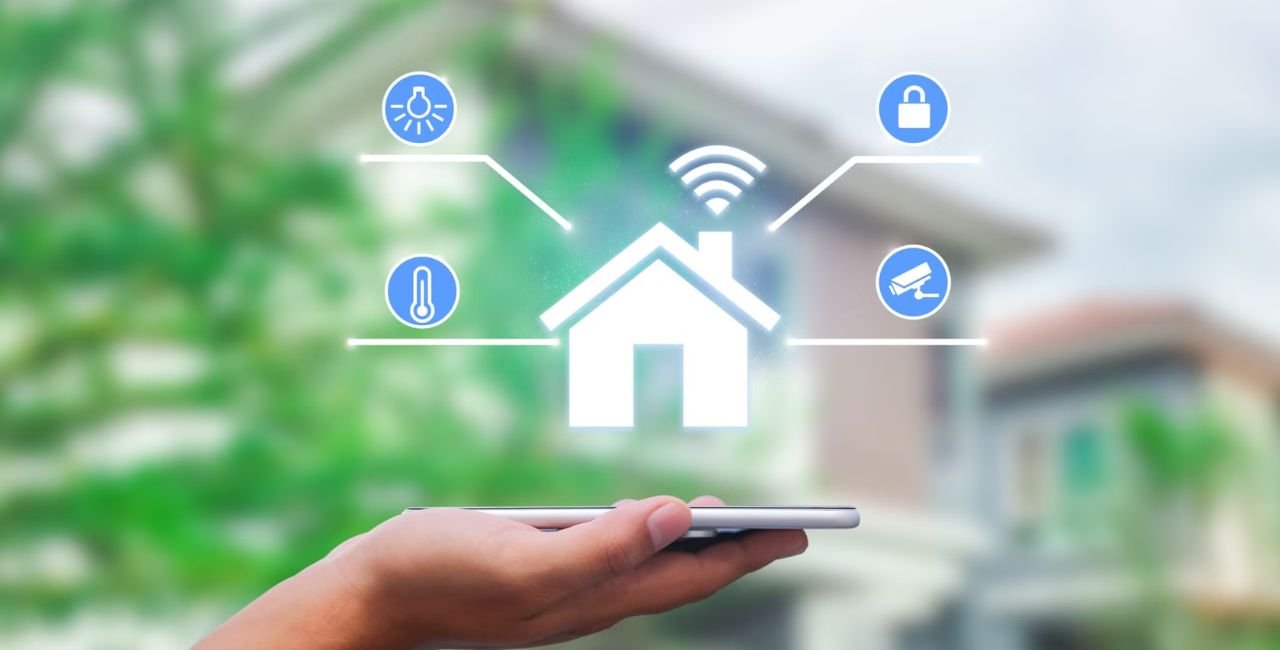
Imagine holding your phone and staying connected to devices a whole kilometer away without draining the battery fast. That is exactly what a smartphone with wi-fi halow 802.11ah support promises. This new kind of Wi-Fi works on lower frequencies so it reaches farther and uses less power than regular Wi-Fi you use today. Right now, most phones do not have this built in yet, but experts say it will change how we use mobiles soon. In this guide, you will learn everything in simple words so you feel ready for the next step in phone tech.
What Makes Wi-Fi HaLow Special and How It Fits Smartphones
Wi-Fi HaLow, also called 802.11ah, is a smart upgrade to regular Wi-Fi. It runs on sub-1 GHz bands, like around 900 MHz. Normal Wi-Fi uses 2.4 GHz or 5 GHz bands that stop quickly at walls or distance. HaLow goes through walls better and covers huge areas with one simple access point.
Think of it like this: your current phone Wi-Fi might reach only 30 to 50 meters inside a house. A smartphone with wi-fi halow 802.11ah support could reach 300 meters indoors or over 1 kilometer outside on a clear day. That is up to 10 times the range and 100 times the coverage area compared to standard Wi-Fi, according to real tech tests.
Why does this matter for phones? Phones today connect to the internet or smart gadgets, but the connection often needs strong signals or extra hubs. With HaLow built in, your phone could talk directly to far-away sensors, cameras, or farm tools without extra help. Battery life improves too because HaLow needs very little power — some devices run for years on one small battery.
The Wi-Fi Alliance explains it best on their official page. They say HaLow is made for the Internet of Things, or IoT, where lots of gadgets need to stay on without using much energy. For phones, this means you could control your whole smart home from the backyard or check a warehouse camera from the parking lot. No more dead spots or constant charging.
Key Benefits of Choosing a Smartphone with Wi-Fi HaLow 802.11ah Support
A smartphone with wi-fi halow 802.11ah support brings four main easy wins that everyday people will love.
First, super long range. You get coverage up to 1 km in open spaces. This helps in big yards, farms, or factories. No need for many repeaters like with regular Wi-Fi.
Second, low power use. Your phone battery lasts longer because HaLow sends signals with less energy. Devices on this network can sleep most of the time and wake only when needed.
Third, it handles thousands of connections at once. One phone or access point can link to over 8,000 gadgets. That is perfect for smart cities or big homes full of lights, locks, and sensors.
Fourth, better wall penetration. Signals go through concrete and metal easier. You stay connected even in basements or thick buildings.
These benefits come straight from tested real-world use. For example, ABP Tech shares how HaLow doubles the range of older cordless systems and works great with Bluetooth on mobile phones for extra stable links.
How This Tech Works Simply Inside a Future Phone
In a smartphone with wi-fi halow 802.11ah support, the phone would have a special chip like those from Morse Micro or Newracom. These chips handle the sub-1 GHz signals.
Your phone acts either as a client connecting to a HaLow access point or, in some cases, as its own access point for nearby gadgets. Data moves at speeds up to 86.7 Mbps — fast enough for video or clear calls, but still low enough to save power.
Security stays strong with WPA3, the same safe standard you trust today. No new learning needed. Apps on your phone just use normal internet rules to talk to far devices.
Right now, phones like those with Snapdragon or Dimensity chips do not include HaLow radios. They connect to HaLow networks only through regular Wi-Fi to an access point. But experts expect phone makers to add it soon because the market is growing fast.
Real Ways a Smartphone with Wi-Fi HaLow 802.11ah Support Helps Daily Life
Picture these simple examples:
- Smart Home Control: Walk around your big property and still lock doors or check cameras. One access point covers the whole house and yard without extra boxes.
- Farm or Garden Monitoring: A farmer checks soil sensors 800 meters away from the phone while driving a tractor. No internet needed in remote fields.
- Warehouse or Business Use: Workers in a huge store scan items from any corner. The signal reaches everywhere without dead zones.
- Smart City Living: Track traffic lights or utility meters from your phone while walking the street. Cities save money on wiring.
- Outdoor Fun: Hikers or boaters stay linked to home devices or emergency sensors far away.
The Wi-Fi Alliance lists these exact uses on their site and notes real field trials already happening in smart homes and farms.
A smartphone with wi-fi halow 802.11ah support makes all this feel easy because your phone becomes the center hub. You get alerts and controls in one place.
Current Market Growth and Why Phones Will Get This Soon
The market for HaLow tech is exploding. Omdia’s market assessment shows a 79% compound annual growth rate through 2029. That means the number of devices using it will jump quickly.
Smart home security cameras and doorbells start using it in 2026. Smart city projects and even consumer drones follow in 2027. Industrial video and sensors lead the way first because HaLow handles clear video over long distances better than other low-power options.
ABI Research adds that HaLow device shipments will grow at 45% per year from 2025 to 2030 — the fastest among all wireless tech.
Phone makers watch this closely. Adding HaLow support turns a regular phone into a powerful tool for the growing IoT world. Users get longer battery life on the go and control more gadgets without buying extra gear.
For more details on the newest long-range solutions, see what ABP Tech shares about cordless systems that already pair nicely with mobile phones.
Comparing Regular Wi-Fi to HaLow in a Smartphone
Here is a simple side-by-side look:
- Range: Regular Wi-Fi = 50 meters; HaLow in phone = up to 1 km
- Power use: Regular drains battery fast; HaLow saves it for days or weeks
- Wall power: Regular stops at thick walls; HaLow goes through
- Device count: Regular handles dozens; HaLow handles thousands
- Speed: Both fast enough for daily needs, but HaLow balances it with distance
This table shows why a smartphone with wi-fi halow 802.11ah support feels like an upgrade, not a replacement. You still use normal Wi-Fi for fast home internet and add HaLow for far or low-power tasks.
Preparing for Phones That Support HaLow Today
Even without a built-in smartphone with wi-fi halow 802.11ah support yet, you can get ready:
- Buy a HaLow access point or USB dongle for your current setup.
- Use apps that work over IP networks to control sensors.
- Pair your phone via Bluetooth to HaLow handsets, like the Fanvil systems that already connect smoothly to mobiles.
- Watch for new phones in late 2026 or 2027 that add the chip.
Check trending tech ideas at Ultrapanda for updates on new gadgets.
Challenges and Honest Answers
Some people ask if HaLow is ready. The ecosystem is still growing, so not every gadget supports it yet. But the Wi-Fi Alliance runs trials that prove it works in real homes and farms.
Another question is cost. Early chips cost more, but prices drop fast as more companies join. Security is already top level with WPA3.
Overall, the benefits far outweigh small waits. A smartphone with wi-fi halow 802.11ah support will feel natural once it arrives.
Future Outlook for This Phone Tech
By 2027, many experts predict HaLow will appear in flagship phones. It will mix with Wi-Fi 7 or newer for the best of both worlds. Phones will switch automatically between fast short-range Wi-Fi and long-range low-power HaLow.
This means better smart home apps, safer cities, and greener battery use. Farmers, factories, and families all win.
Frequently Asked Questions About Smartphone with Wi-Fi HaLow 802.11ah Support
What is a smartphone with wi-fi halow 802.11ah support? It is a phone with a special chip that uses low-frequency Wi-Fi for far reach and low battery use.
Does any phone have it right now? No major phones do yet, but experts expect them soon as the market grows 79% each year.
Will it make my battery last longer? Yes! HaLow uses very little power, so your phone stays charged longer when talking to distant gadgets.
Can I use it with my current smart home? You can start with a HaLow access point today and control everything from your phone app.
Is it safe? Yes, it uses the same strong WPA3 security as your regular Wi-Fi.
How far can it really reach? Up to 1 kilometer outside and hundreds of meters inside walls.
Where can I learn more? Visit the Wi-Fi Alliance page on Wi-Fi HaLow or the ABP Tech guide to long-range solutions.
Wrapping Up the Power of Smartphone with Wi-Fi HaLow 802.11ah Support
A smartphone with wi-fi halow 802.11ah support stands ready to make your life simpler. It gives longer range, saves battery, and connects thousands of devices easily. While no phones offer it today, the fast market growth and real benefits mean you will see them soon.
This tech solves real problems like weak signals in big spaces or short battery life with smart gadgets. Start learning now so you pick the right phone when the time comes.
What do you think — will you look for a smartphone with wi-fi halow 802.11ah support in your next upgrade? Share your thoughts below!
References
- Wi-Fi Alliance Official Overview of Wi-Fi HaLow – https://wballiance.com/wi-fi-halow/ (Authoritative source with benefits, range details, and use cases for IoT).
- ABP Tech Guide to Newest Long-Range Cordless Solutions – https://www.abptech.com/newest-technology-long-range-cordless-solutions (Practical examples, range comparisons, and mobile phone pairing info).
- Omdia Wi-Fi HaLow (802.11ah) Market Assessment – https://omdia.tech.informa.com/om136581/wifi-halow-80211ah-market-assessment (Market growth data and timelines for smart home and industrial adoption, referenced via public summaries).
