



In the bustling city of Bakersfield, California, a recent clash between a popular gym chain and local government has spotlighted the complex world of urban development costs. The issue centers on planet fitness bakersfield traffic impact fees, where Planet Fitness challenged fees imposed by the city for its new location. This story unfolded in 2025, drawing attention from business owners, developers, and residents alike. It highlights how cities fund infrastructure improvements through fees on new projects, and why sometimes those fees spark legal battles.
Planet Fitness, known for its affordable memberships and welcoming atmosphere, opened a new gym at 11425 Stockdale Highway in August 2025. But before the doors even swung open, the company faced a hefty bill from the City of Bakersfield. The city charged traffic impact fees to cover the expected increase in road use from the gym’s customers. Planet Fitness pushed back, arguing the fees were too high and even unconstitutional. This case not only affects the gym but also raises questions about fairness in how Bakersfield handles growth.
To grasp this fully, let’s dive into the background. Traffic impact fees are charges that cities like Bakersfield levy on new developments to pay for road upgrades, signals, and other transport needs caused by added traffic. These fees ensure that new businesses contribute to the infrastructure they strain. In Bakersfield, the program dates back to the 1990s, with updates over the years to reflect rising costs and changing traffic patterns.
What Are Traffic Impact Fees and Why Do They Matter?
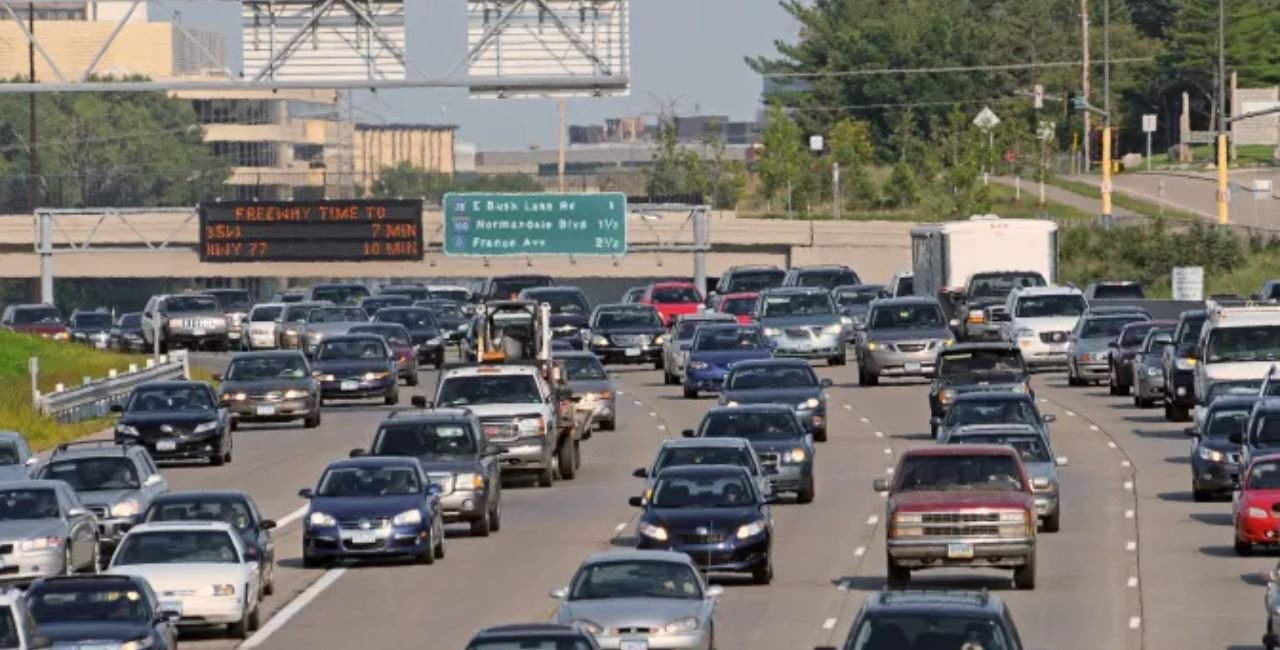
Cities grow, and with growth comes more cars on the roads. Traffic impact fees help manage that. They are not taxes but specific charges tied to a project’s expected impact. For example, a new shopping center might generate hundreds of daily trips, leading to congestion. The fees fund fixes like wider lanes or new signals.
In Bakersfield, the Metropolitan Bakersfield Transportation Impact Fee program started in 1992. Both the city and Kern County adopted it to maintain a “Level of Service C” on roads – meaning traffic flows reasonably well without major delays. The program follows California Government Code Section 66000, which requires fees to be fair and directly linked to the development’s needs.
Developers pay based on factors like the project’s size and type. For commercial spots, fees use data from the Institute of Transportation Engineers (ITE). This group provides average daily trip (ADT) rates – how many car trips a building might create per 1,000 square feet. Higher trips mean higher fees.
Why do these fees matter? They keep roads safe and efficient. Without them, taxpayers foot the bill for growth-driven fixes. But critics say fees can stifle business, especially if calculations seem off. In the Planet Fitness case, the debate focused on whether the gym was treated as part of a larger shopping center or a standalone building.
The Planet Fitness Project in Bakersfield: A Closer Look
Planet Fitness entered the Bakersfield scene with plans for a gym in an existing shopping center. The city approved the center’s development in 2018, but additions like the gym, a car wash, and a restaurant triggered a review in 2023. This led to updated traffic calculations.
The gym spans a certain square footage – details from city records show it as part of a multi-tenant site. Public Works Director Zachary Meyer oversaw the fee assessment. Initially, the city pegged the fees at $340,470.42 using an ADT rate of 80.72 trips per 1,000 square feet. This rate came from ITE’s data for shopping centers.
Planet Fitness asked to use the 11th edition of ITE’s manual, which better suited centers without supermarkets. The city agreed, dropping the fee to $284,793.89. But the company wanted more relief. They argued for a “health club” standard, which has a lower ADT rate, and for treating the gym as standalone. This would cut the fee to $165,908 – a savings of nearly $120,000.
Attorney Christopher Hall, representing Planet Fitness, stated in the appeal notice: “The City must use the health club standard in arriving at the impact fee associated with the anticipated project.” He added that using the correct ADT would set the fee at $165,908.
The city disagreed. They viewed the gym as integrated into the shopping center, not isolated. Zoning and permit details supported this, as the site shares access and parking. This classification kept the higher rate in place.
Planet Fitness Bakersfield Traffic Impact Fees Appeal Process
The appeal process kicked off when Planet Fitness filed a formal challenge. They called the fees an “unconstitutional taking” of property – a legal term meaning the government unfairly burdens private owners without just compensation. They also claimed it was a special tax imposed without voter approval, violating state rules.
The hearing, originally set for February 2025, got postponed at the company’s request. It happened on August 27, 2025, before the Bakersfield City Council. Council members heard arguments from both sides. Planet Fitness stressed the fee’s burden on their operations and questioned the calculation method.
In a 5-1 vote, the council denied the appeal. Councilmember Eric Arias voted against denial, and Andrae Gonzales was absent. Despite the rejection, the council saw merit in broader concerns. Members Larry Koman, Bob Smith, and Arias pushed to refer the matter to the Housing and Community Development Committee. This group will review the entire traffic impact fee program, especially for shopping centers.
This decision came after Planet Fitness’s protest highlighted potential flaws. The review aims to explore alternatives and ensure fairness. No timeline was set, but it signals possible changes ahead.
How Fees Are Calculated: Breaking It Down
Understanding fee calculations helps demystify the dispute. Here’s a step-by-step look:
- Assess Project Type: Is it residential, commercial, or industrial? Commercial like gyms falls under retail or service categories.
- Measure Size: Use square footage. For Planet Fitness, it’s part of a larger center, so the whole site’s impact factors in.
- Apply Trip Rates: From ITE data. Shopping centers average higher trips due to multiple stops. Health clubs might see 30-50 trips per 1,000 sq ft, versus 80+ for general retail.
- Factor in Location: Urban areas like Bakersfield consider existing traffic. Fees fund specific fixes, like signals or lanes.
- Adjust for Credits: If a project improves roads itself, fees drop. Planet Fitness sought credits via reclassification.
Stats from Bakersfield’s 2003 fee update show costs: Arterial roads at $215,000 per lane mile (adjusted for inflation). Signals at $130,000 each. These build into the fee schedule.
In 2025, inflation and growth pushed fees up. The program’s equation: Attributable New Travel = (ADT x Average Trip Length / 2) x % New Trips. Then, divide by capacity per lane to find needed miles, multiply by costs.
Planet Fitness argued the city overstated impact by ignoring gym-specific data. The city held firm on shopping center standards.
Implications for Local Businesses
This case ripples beyond one gym. Businesses eyeing Bakersfield must weigh these fees. High costs can delay openings or raise prices for customers. For gyms, where margins are tight, $284k is significant.
On the flip side, fees ensure sustainable growth. Bakersfield’s population boomed 20% from 2010-2020, per U.S. Census data. More people mean more traffic – over 1 million daily trips in metro areas, per state reports.
Developers can learn from this:
- Review Plans Early: Consult city staff on classifications.
- Gather Data: Use ITE or local studies to argue lower rates.
- Appeal if Needed: But prepare for hearings; legal help like Hall’s is key.
Similar disputes happened elsewhere. In Los Angeles, a developer sued over fees in 2020, winning partial relief. Bakersfield’s review could lead to reforms, making fees more predictable.
Broader Context: Planet Fitness as a Company
Planet Fitness stands out in the fitness world. Founded in 1992, it now boasts over 2,700 locations worldwide. Their “Judgement Free Zone” welcomes beginners with low-cost plans – classic at $15/month, black card at $24.99.
Services include cardio machines, strength equipment, and apps for tracking. No Bakersfield-specific news on their site, but the chain emphasizes community ties. For development, they often retrofit existing spaces, minimizing impacts.
In Bakersfield, the gym adds jobs and health options. But the fee fight shows tensions between business goals and city needs. Link to their official site for more: Planet Fitness.
City of Bakersfield’s Traffic Fee Program History
Bakersfield’s program evolved. Started in 1992 for regional roads, updated in 1997 to include local fixes, eliminating some studies. A 2002 hike accounted for construction costs.
The 2003 nexus study detailed assumptions: Land costs vary by type, road building at indexed rates. Fees cover signals, crossings, and more.
Recent pressures: Growth in southwest Bakersfield, where Stockdale Highway sits. Traffic studies show congestion rising 15% yearly in spots. The program funds $ millions in projects annually.
The council’s 2025 review stems from developer pushback. As per reports, it could tweak calculations for mixed-use sites.
For in-depth history, see this Bakersfield news article.
Legal Angles: Is It Unconstitutional?
Planet Fitness claimed “takings” under the Fifth Amendment – government can’t take property without pay. Courts use tests like Nollan v. California Coastal Commission (1987): Fees must nexus to impact and be roughly proportional.
California’s Mitigation Fee Act requires fairness. If fees exceed impact, they’re invalid. Planet Fitness argued overstatement violated this.
The city countered with zoning evidence. The denial upheld their view, but the review might address systemic issues.
Tips for challenging fees:
- Document Impacts: Hire engineers for independent studies.
- Know Laws: Cite cases like Koontz v. St. Johns River (2013) on exactions.
- Engage Community: Rally support from locals affected by high fees.
Community Impact and Public Opinion
Residents mixed on this. Some see fees as necessary for better roads – Bakersfield ranks high in California for traffic woes, per INRIX reports. Others worry they deter businesses, hurting economy.
Planet Fitness brings affordable fitness, vital in Kern County where obesity rates top 30%, per CDC data. The gym could boost health, but fees might mean higher dues.
Local news covered it extensively. One report noted: “The council denied the appeal but agreed to review the program following the protest.” Link to details: KGET News.
For related fitness resources, check Ultra Panda for workout tips.
Potential Outcomes and Future Changes
The committee review could yield:
- Updated Rates: Lower for certain uses like gyms.
- Transparency Boost: Clearer guidelines on classifications.
- Appeals Streamline: Faster processes.
If unchanged, more appeals might follow. Statewide, California pushes for housing and business-friendly policies, per 2025 legislation.
Statistics: Fees collected $50M+ yearly in similar cities, funding 100+ miles of roads.
FAQs on Planet Fitness Bakersfield Traffic Impact Fees
What triggered the fees for Planet Fitness? Additions to the shopping center prompted a traffic review, leading to fees based on expected trips.
Why did Planet Fitness appeal? They believed the calculation overstated impact and violated constitutional rights.
What was the council’s decision? Denied 5-1, but referred for program review.
How can businesses avoid high fees? Plan with city input and use accurate data.
Will fees change soon? The review might bring updates; watch city meetings.
Conclusion
The saga of planet fitness bakersfield traffic impact fees underscores the balance between growth and fairness. Planet Fitness fought a $284k charge, highlighting potential flaws in calculations. Though denied, the city council’s commitment to review the program offers hope for refinements. This benefits developers and residents by ensuring fees truly match impacts. In the end, it’s about building a thriving Bakersfield without undue burdens.
What do you think – are traffic impact fees helping or hindering local businesses? Share your thoughts below.
References
- KGET News Article on Planet Fitness Appeal: Provides detailed coverage of the 2025 hearing and denial, including quotes and fee breakdowns. Useful for locals tracking city decisions.
- Planet Fitness Official Website: Offers background on the company’s services and mission, helping understand their role in communities like Bakersfield.
- Bakersfield Californian Article on Fee Review: Discusses the council’s agreement to examine the program, relevant for developers and policymakers interested in potential changes.
