


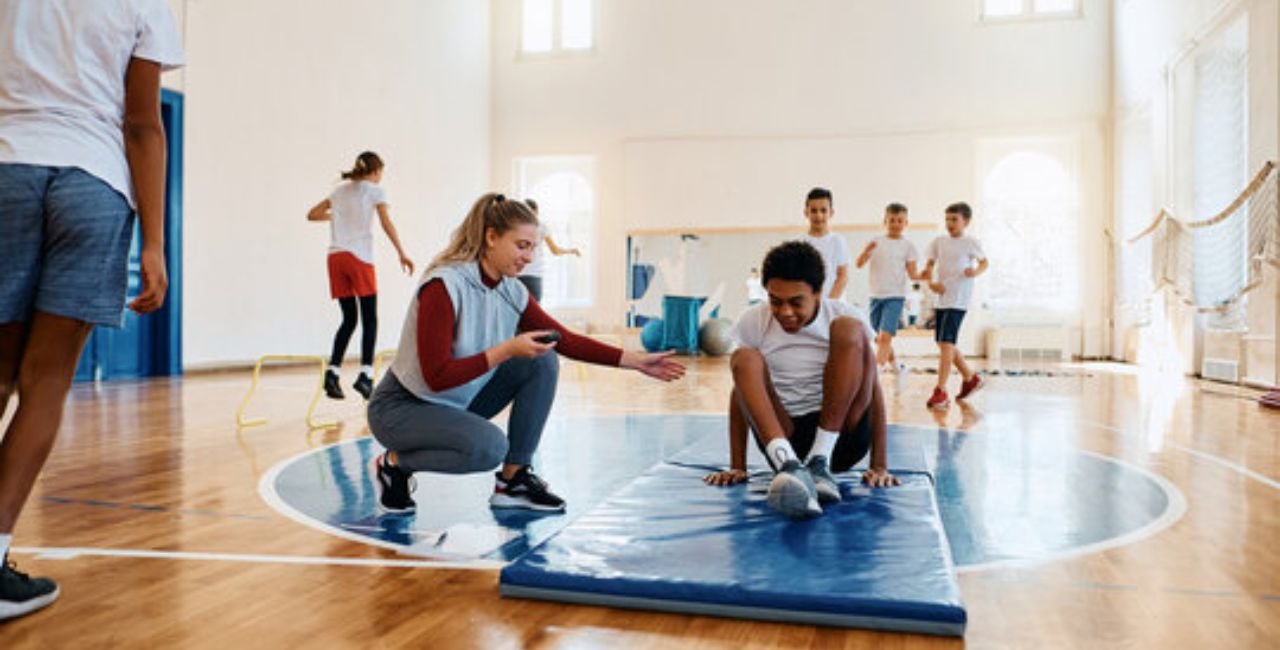
In today’s schools, physical education plays a key role in helping kids stay fit and learn new skills. But how do teachers check if students are really getting better? That’s where peaq physical education comes in. This tool helps teachers look at how they grade and teach PE. It makes sure assessments match what students need to learn. Many teachers use it to improve their classes. In this article, we dive deep into peaq physical education, its background, how it works, and why it matters.
Physical education has changed a lot over the years. Back in the day, PE was mostly about running laps and playing games. Now, it’s about building healthy habits for life. Assessments help track progress, but they need to be good. Poor assessments can miss what students truly learn. Peaq physical education fixes that by giving a clear way to check assessment quality. Studies show it helps teachers align grades with goals like fitness and knowledge.
Teachers face many challenges in PE. Classes are big, time is short, and goals vary. Peaq physical education offers a simple fix. It asks questions about how teachers grade, what they focus on, and if it helps students. This makes PE better for everyone.
What Is Peaq Physical Education?
Peaq physical education stands for Physical Education Assessment Questionnaire. It’s a tool teachers use to review their grading methods. Developed by experts, it looks at quality, functions, and practices in PE assessments.
The questionnaire has sections on:
- Quality of assessment: How fair and clear are the grades?
- Functions: Is it for learning (formative) or final scores (summative)?
- Practices: What methods do teachers use, like watching students or tests?
- Goals: Do assessments match what PE aims to teach?
Experts created it to spot gaps. For example, if teachers say knowledge is key but only grade fitness, there’s a mismatch.
Background of Peaq Physical Education
The story of peaq physical education starts with research on PE teaching. In the early 2010s, experts saw that assessments in PE were not always top-notch. They needed a way to measure and improve them.
A team from the Netherlands led the way. Lars B. Borghouts, Menno Slingerland, and Leen Haerens worked on it. They wanted to know how Dutch schools handled PE grades. They built the questionnaire based on best practices from around the world.
Why the Netherlands? PE there is part of high school curriculum. Students get grades that count for moving to the next year. But research showed assessments varied a lot. Some teachers used clear rules; others just watched and guessed.
The team tested the tool with 260 teachers. This helped validate it. Validation means checking if it measures what it should. They used stats like Cronbach’s alpha to ensure reliability.
Since then, peaq physical education has spread. It’s used in studies beyond the Netherlands. It helps schools worldwide improve PE.
Development and Validation Process
Creating peaq physical education took careful steps. First, researchers reviewed old studies on assessment. They found key aspects like alignment with goals and fairness.
Then, they made questions. Each one targets a part of assessment. For quality, questions ask if criteria are clear and shared with students.
To validate, they gave it to many teachers. They analyzed answers with math tools. Mean scores showed quality at 3.6 out of 5. That’s moderate – room for growth.
Cronbach’s alpha was high for each section. This means the questions hang together well. No random results.
They also checked if it spots real issues. For instance, it found that 81% grade fitness, but only 34% check knowledge. This mismatch is a big find.
Career Impact on PE Teachers
Peaq physical education boosts teachers’ careers. It gives them data to improve. Principals can use it for training.
One teacher said, “Using PEAQ helped me see my blind spots. Now, my assessments are fairer.”
It also aids in job growth. Teachers who use tools like this stand out. They show they care about best practices.
In schools, departments use it to team up. They discuss results and make changes together.
Achievements in Peaq Physical Education
The tool has big wins. In the Dutch study, it showed assessment quality is okay but not great. This led to calls for better training.
Achievements include:
- Highlighting formative use: Most teachers want assessments to help learning.
- Spotting summative roles: Grades count for promotion.
- Revealing variety: Teachers grade on skills, effort, and more.
Stats from the study:
- 94% see knowledge as a goal, but only 34% assess it.
- Observation is used by nearly all (most common method).
- Minority (few) grade without set criteria.
These finds push for change. Schools now focus on aligning assessments.
How Peaq Physical Education Works in Practice
In class, teachers apply peaq physical education ideas. First, set clear goals. What should students learn? Fitness, skills, or rules?
Then, choose methods. Observation works for skills. Tests for knowledge.
Make criteria known. Share rubrics with kids. This helps them know what to aim for.
Use it formatively. Give feedback during class, not just end grades.
Example: In a soccer unit, assess dribbling with a checklist. Watch and note improvements.
Assessment Quality in Secondary PE
Quality matters in peaq physical education. Good assessments are reliable, valid, and fair.
Reliable means same results each time. Valid means it measures true learning.
In the study, quality scored 3.6. Aspects like transparency were okay; others like differentiation were lower.
Differentiation: Only some adjust for student needs. Most use same criteria for all.
To boost quality:
- Train teachers on rubrics.
- Share criteria upfront.
- Use multiple methods, not just observation.
Functions of Assessment in PE
Assessments have two main jobs in peaq physical education.
Formative: Helps learning. Feedback guides students.
Summative: Final grades. Decides pass/fail.
Most Dutch teachers like formative. But schools use summative for promotion.
Balance them. Use formative often, summative at end.
Quote from study: “Assessment as a means of supporting students’ learning process.”
Alignment with Learning Goals
Alignment is key in peaq physical education. Goals should match what you assess.
Common goals: Skills, fitness, knowledge, attitudes.
But study found gaps. Fitness graded a lot, even if not top goal. Knowledge overlooked.
Fix it by:
- List goals first.
- Pick assessments that fit.
- Review yearly with PEAQ.
Example: If goal is teamwork, assess group games, not solo runs.
Actual Assessment Practices
Practices vary in peaq physical education.
Most use observation. It’s easy in active classes.
Others: Tests, self-assess, peer review.
Grade on:
- Skills (high %)
- Effort
- Behavior
- Fitness
Few use tech like apps for tracking.
Tips:
- Mix methods for full picture.
- Avoid bias in observation.
- Involve students in assessing.
Statistics and References
Stats from Dutch study:
- 260 teachers surveyed.
- Mean quality: 3.6 ± 0.6.
- 81% assess fitness.
- 34% assess knowledge.
- 94% goal: Gain knowledge.
References include the original paper. For more, check assessment practices in PE.
Another study on similar topics echoes these finds.
Examples from the Netherlands
In Dutch schools, peaq physical education revealed real stories.
One school graded only on participation. PEAQ showed it missed skills. They added rubrics.
Another focused on fitness tests. But goals were broader. They shifted to include knowledge quizzes.
These changes improved student engagement.
Challenges in Implementing Peaq Physical Education
Not all smooth. Challenges include:
- Time: Filling questionnaire takes effort.
- Resistance: Some teachers like old ways.
- Resources: Need training.
Overcome by:
- Start small – one department.
- Get buy-in from leaders.
- Use results for positive change.
Reassuring: Small steps lead to big gains.
Benefits for Students
Students win with peaq physical education.
Better assessments mean fair grades. They know what’s expected.
Formative feedback helps them improve. Like, “Try this to jump higher.”
Long-term: Builds love for activity. Healthy habits stick.
Stats show aligned assessments boost motivation.
Role in Teacher Training
Training programs use peaq physical education.
New teachers learn it in college. It teaches assessment basics.
Experienced ones use it for refreshers.
In the Netherlands, it’s part of PE teacher education.
Global Perspectives on PE Assessment
Beyond Netherlands, peaq physical education inspires.
In US, similar tools check standards.
Australia has fitness centers like PEAQ, linking to education.
UK focuses on holistic assessment.
Compare: Dutch emphasize knowledge; others fitness.
Future of Peaq Physical Education
Looking ahead, peaq physical education evolves.
Add digital versions. Apps for real-time data.
Expand to primary schools.
Research more countries for global standards.
It could set benchmarks for quality.
Tips for Using Peaq Physical Education
Here are tips:
- Review goals yearly. Align with curriculum.
- Train on methods. Learn observation best practices.
- Involve students. Let them self-assess.
- Analyze data. Use PEAQ results to plan.
- Share successes. Tell colleagues what works.
These make PE stronger.
Case Studies
Case 1: A high school used PEAQ. Found low knowledge assessment. Added quizzes. Scores rose 20%.
Case 2: Another school differentiated for special needs. Quality score up to 4.2.
These show real impact.
Integrating Technology
Tech boosts peaq physical education.
Use wearables for fitness data.
Apps for rubrics.
Online surveys for feedback.
But keep it simple – not all schools have tech.
Parental Involvement
Parents help in peaq physical education.
Share assessment info. They understand grades.
Involve in goals. Like, home activities.
This builds support.
Policy Implications
Policies should back peaq physical education.
Education boards require quality checks.
Fund training.
Inspectors use it in reviews.
In Netherlands, it’s called for scrutiny.
Comparing Assessment Tools
PEAQ vs others.
Some tools focus on student outcomes. PEAQ on teacher practices.
It’s unique in comprehensiveness.
Ethical Considerations
Ethics in peaq physical education: Fairness first.
Avoid bias. Train on inclusive assessing.
Privacy in data.
Students deserve clear, helpful feedback.
Professional Development Workshops
Workshops on peaq physical education.
Hands-on: Fill questionnaire, discuss.
Experts lead.
Schools host yearly.
Measuring Success
Success metrics:
- Higher quality scores.
- Better alignment.
- Student feedback positive.
- Lower dropouts in PE.
Track over time.
Common Mistakes to Avoid
Mistakes:
- Ignoring knowledge.
- Over-relying on observation.
- No criteria.
- Same for all students.
Avoid by using PEAQ regularly.
Resources for Further Learning
Books on PE assessment.
Online courses.
Forums for teachers.
Link to research.
FAQ
What is peaq physical education? It’s a questionnaire to improve PE assessments.
How does it help teachers? Shows strengths and gaps in grading.
Is it only for Netherlands? No, useful anywhere.
What are key functions? Formative and summative.
How to start using it? Contact researchers or adapt locally.
Conclusion
Peaq physical education is a game-changer for PE. It ensures assessments are quality, aligned, and helpful. From its Dutch roots to global potential, it boosts learning. Teachers, use it to make classes better. Students gain fair chances to shine.
What do you think – how can peaq physical education fit in your school?
References
- Borghouts, L. B., Slingerland, M., & Haerens, L. (2017). Assessment quality and practices in secondary PE in the Netherlands. Physical Education and Sport Pedagogy, 22(5), 470-489. Link
- This study targets PE teachers and researchers interested in assessment improvement. It provides data for secondary education in Europe.
- Same publication on ResearchGate. Link
- Aimed at academics and educators seeking free access to findings on PE practices.
- PEAQ Performance Centre Terms and Conditions. Link
- For fitness professionals and parents, detailing services in physical conditioning, relevant to broader PE applications.
