


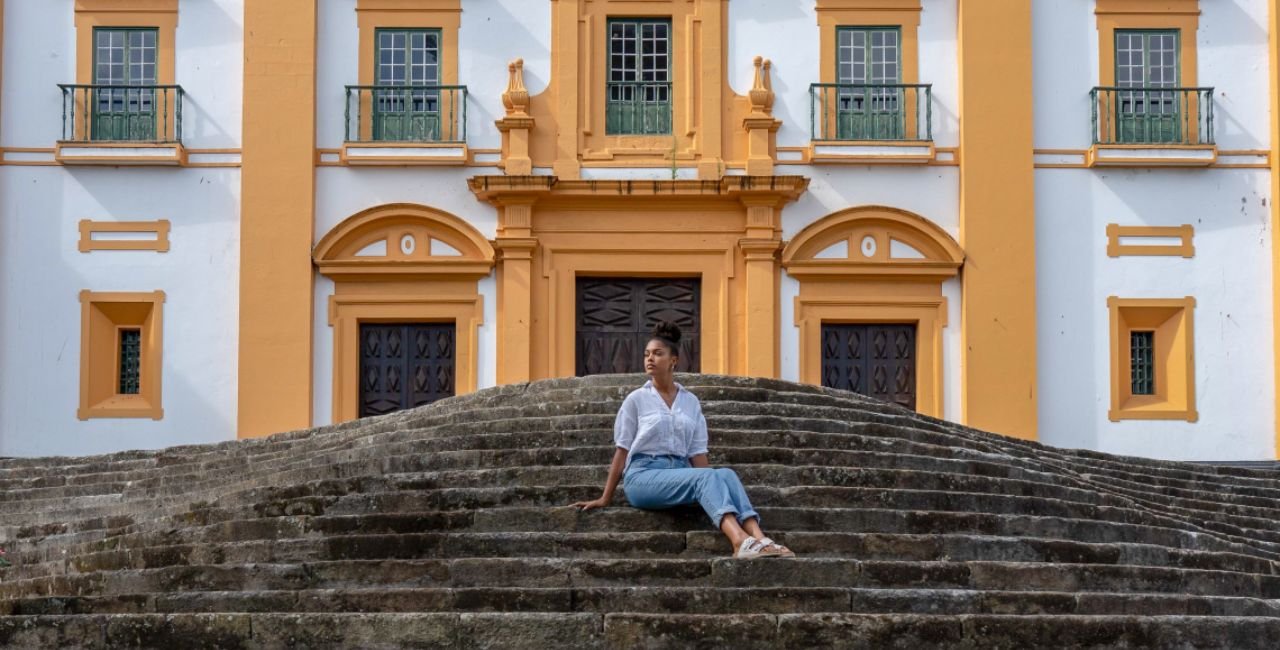
The Azores, a stunning archipelago in the Atlantic Ocean, hold a rich tapestry of natural wonders and cultural traditions. At the heart of keeping these alive lies heritage transmission through education Azores. This process ensures that younger generations learn about their volcanic roots, marine ecosystems, and folk customs. Through schools, internships, and hands-on programs, the islands pass down knowledge that shapes identity and sustainability. In this article, we dive into how education serves as a bridge for heritage in the Azores, drawing from real stories and initiatives.
Education plays a key role in sharing the Azores’ unique story. From ancient volcanic formations to vibrant festivals, locals and visitors alike benefit from structured learning. Programs connect people to their past while preparing them for the future. Think of students exploring geosites or joining conservation efforts—these activities build a strong sense of place.
What Makes the Azores’ Heritage Special?
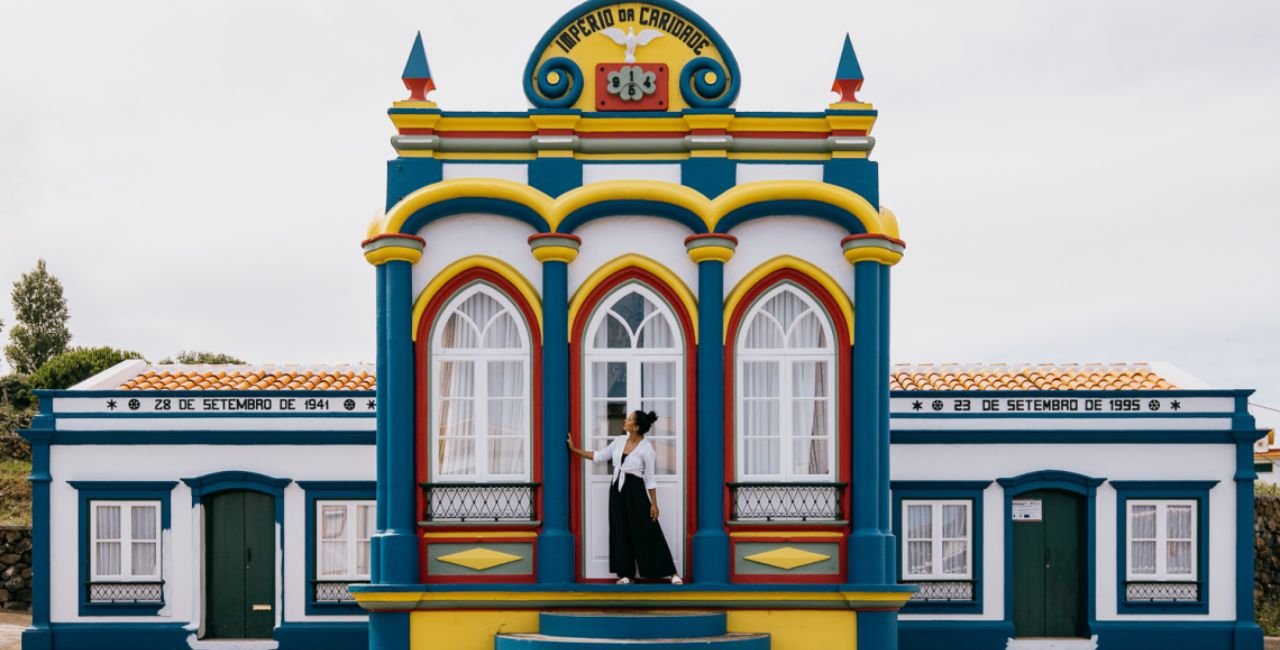
The Azores consist of nine volcanic islands, each with distinct features. Their location at the junction of three tectonic plates creates dramatic landscapes like calderas, lava caves, and hot springs. This geological setup isn’t just scenic; it’s a living classroom for science and history.
People have inhabited these islands since the 15th century, blending Portuguese roots with influences from settlers worldwide. Traditions include festas with dancing, music, and food, which tie communities together. Marine life adds another layer, with whales, turtles, and corals thriving in surrounding waters.
Heritage here isn’t static. It evolves through daily life, like using local rocks in buildings or naming places after natural events. Threats like urban growth or climate change make preservation urgent. Education steps in to teach respect and care for these elements.
Heritage Transmission Through Education Azores: Key Programs and Initiatives
Education in the Azores actively transmits heritage. Schools, universities, and community groups use innovative methods to engage learners. Let’s break it down.
School-Based Learning on Natural Heritage
Teachers in Azorean schools weave heritage into lessons. For instance, ocean literacy programs help students understand marine ecosystems. Surveys show that many educators include topics like biodiversity and conservation in their curricula.
One standout effort is the Eco-Escolas program. It focuses on environmental education, encouraging schools to adopt sustainable practices. Students learn about local flora and fauna through field trips to protected areas.
In Ponta Delgada, the Regional Conservatory offers music education rooted in folk traditions. Youngsters practice instruments used in traditional dances, keeping sounds alive across generations.
University and Research-Driven Transmission
The University of the Azores leads in higher education. Its Okeanos Research Institute studies deep-sea life and shares findings through public talks. This builds knowledge on marine heritage.
The UNESCO Chair on Biodiversity and Sustainability targets island-specific issues. It offers courses on ecology, evolution, and conservation. Students from Atlantic islands collaborate, fostering a global view of local heritage.
Postgraduate programs include masters in biodiversity. These equip learners with skills to protect geosites and promote ecotourism. Fieldwork involves visiting hydrothermal vents or seamounts, linking theory to real-world application.
Internships as a Bridge to Heritage
Internships provide hands-on heritage transmission. Take Jacqueline Machado’s story: a student from Fresno State who interned in Angra do Heroísmo. She explored her Azorean roots while working in the mayor’s office.
During her stay, Machado joined community outreach. She helped with children’s camps blending sports and culture. She also compiled a Portuguese cookbook, preserving recipes as cultural artifacts.
This program, run by the Portuguese Beyond Borders Institute, connects diaspora youth to their origins. It includes reciprocal visits, like Azorean students working on U.S. farms. Such exchanges strengthen ties and transmit values like community service.
Borges, the program coordinator, notes how it reconnects Portuguese Americans with history. Participants experience festas, bullfights, and local cuisine, immersing in traditions.
Geopark Initiatives for Geological Heritage
The Azores Geopark, a UNESCO site, excels in heritage transmission through education Azores. It covers 121 geosites, from Pico Mountain to Furnas Caldera.
Educational tools include guides like “Volcanoes of the Azores” for kids. Schools visit sites for study trips, learning about volcanic history. Workshops teach speleology and geotourism.
Partners like Amigos dos Açores run programs on cave conservation. These emphasize scientific value while highlighting cultural links, such as legends tied to landscapes.
Monitoring geosites started in 2013, involving students in data collection. This hands-on approach builds awareness of vulnerabilities like erosion.
Marine Conservation Education
The Azores shine as a Hope Spot for ocean protection. Mission Blue highlights its ecotourism and leadership in MPAs.
The Blue Azores program aims for 15% no-take reserves. Education is central: the Sea Observatory (OMA) engages thousands yearly. Activities use games to teach about cetaceans and corals.
Whale watching tours double as lessons. Guides explain species like sperm whales, linking to historical whaling. This shifts from exploitation to stewardship.
Community input, as in closing Condor Seamount to fishing, involves locals in decisions. Education ensures everyone understands benefits for future generations.
Challenges in Heritage Transmission
Despite successes, hurdles exist. Remote islands face access issues for education. Limited funding can slow program growth.
Demographic shifts, like aging populations, risk losing oral traditions. Urban pressures threaten geosites, demanding vigilant teaching.
Climate change impacts marine heritage, with rising seas and pollution. Education must adapt, teaching resilience strategies.
Strategies to Enhance Heritage Transmission Through Education Azores
To overcome challenges, stakeholders use targeted approaches. Here are key steps:
- Integrate Heritage into Curricula: Mandate ocean and geological topics in schools. Use interactive tools like apps for virtual tours.
- Expand Internship Opportunities: Partner with diaspora groups for more exchanges. Include virtual options for wider reach.
- Boost Community Workshops: Offer free sessions on folklore, like the online workshop for Portuguese groups in Americas. Focus on dances and crafts.
- Leverage Technology: Digital platforms share stories. The Azores Geopark website offers resources for global learners.
- Monitor and Adapt Programs: Regular assessments ensure relevance. Involve youth in feedback for fresh ideas.
These strategies reassure that heritage remains vibrant. They empower individuals to act as stewards.
Cultural Ties: Folklore and Arts in Education
Folklore is a vital part of Azorean heritage. Education transmits it through arts programs.
The Creatour Azores project blends creative tourism with learning. Visitors co-create experiences, like crafting with local materials. This fosters connections.
Schools teach about carnivals on Terceira Island. These events, lesser-known globally, involve community theater. Students participate, learning identity on stage.
Handicrafts workshops, like Project Raízes, promote weaving and pottery. They raise awareness of cultural continuity.
Music education at conservatories includes Azorean tunes. Quotes from experts highlight pride: “Food is a big part of any culture,” as Machado observed, tying meals to traditions.
Environmental Education for Sustainability
Sustainability courses in the Azores link heritage to future needs. The EURYO Summer School in 2026 focuses on rural youth futures.
Topics cover mobilities, entrepreneurship, and inclusion. Held in UNESCO sites, it uses heritage as a backdrop.
Outdoor education programs teach via hikes and dives. Participants learn about endemics like Monteiro’s storm petrel.
Statistics show impact: OMA reached 71,000 people since 2012. Such numbers prove education’s reach.
Diaspora Connections and Global Transmission
Many Azoreans live abroad, forming a diaspora six times the island population. Education bridges this gap.
Programs like Tabor in the Azores let students trace migration stories. They visit sites linking to U.S. communities in Fall River.
This transmits heritage transatlantically. It reassures descendants of their roots, encouraging visits and support.
Case Studies: Real Impacts
Consider the Condor Seamount closure. Education rallied fishermen and operators for conservation. Now, it’s a model for sustainable practices.
Another: Geosite monitoring involves youth. They track changes, learning science while protecting heritage.
Machado’s internship transformed her view. She applied lessons to her career in strategic studies, showing personal growth.
Tips for Engaging in Azores Heritage Education
Want to join? Here are simple steps:
- Visit Geoparks: Start with Pico for climbing and learning.
- Join Workshops: Look for folklore sessions online or in-person.
- Support Programs: Donate to institutes like Okeanos for research.
- Teach at Home: Share Azorean stories with family using free resources.
These actions make heritage accessible.
For more on creative tools in education, check Ultrapanda, a platform offering innovative learning aids.
Conclusion
In summary, heritage transmission through education Azores weaves together geological, cultural, and marine elements into a cohesive narrative. From geopark visits to marine observatories, these efforts preserve the islands’ essence for generations. Initiatives like internships and conservation programs demonstrate commitment to sustainability. By embracing education, the Azores model how to honor the past while building resilience.
What role do you think education plays in preserving your own heritage? Share your thoughts below.
References
- Student Explores Heritage and Public Service at Azores Internship – Details a student’s cultural reconnection through public service.
- Geological Heritage Management in the Azores – Covers geosite inventory and educational promotion.
- Azores Archipelago Hope Spot – Highlights marine conservation and community education.
