


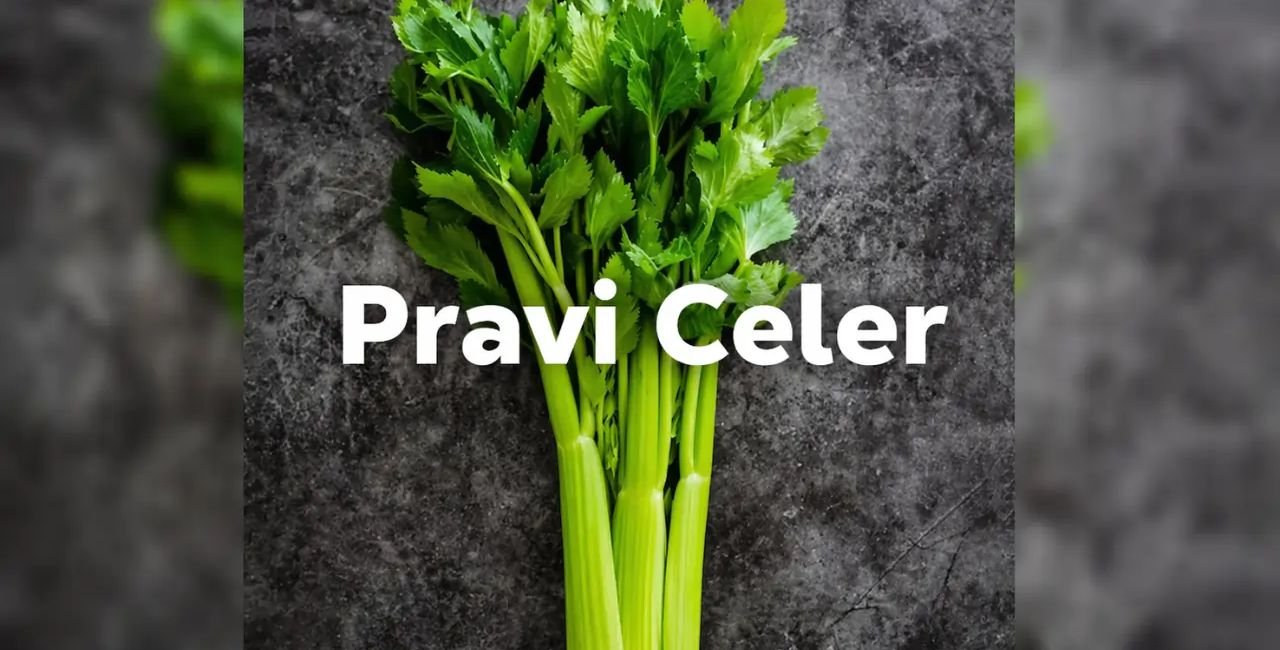
Pravi celer stands out as a remarkable vegetable celebrated for its crisp texture, refreshing flavor, and abundant natural goodness. This humble plant, often referred to as true celery, offers a simple yet effective way to support overall well-being through everyday meals. In the first paragraph, pravi celer emerges as more than just a kitchen staple—it represents a return to wholesome, nutrient-dense foods that have nourished generations.
People across different cultures have long appreciated this plant for its versatility in fresh salads, hearty soups, and revitalizing juices. Its high water content combined with essential vitamins and minerals makes it an excellent choice for those seeking natural support for daily energy and balance. Related terms like celery root, garden celery, and celeriac frequently appear in discussions about authentic varieties that deliver fuller taste and deeper nutritional value compared to standard options.
This comprehensive article explores every aspect of pravi celer in detail. From its botanical roots and historical significance to modern nutritional science, practical recipes, and tips for selection and storage, readers will gain a thorough understanding. Whether you aim to enhance digestion, maintain healthy blood pressure levels, or simply add more wholesome vegetables to family meals, pravi celer provides a reliable foundation.
The focus here remains entirely on positive, faith-friendly aspects of healthy eating and natural living. All guidance aligns with principles of moderation, purity, and gratitude for the blessings of the earth.
Botanical Background and Origin of Pravi Celer
Pravi celer belongs to the Apiaceae family, sharing relations with carrots, parsley, and fennel. Its scientific name is Apium graveolens. The term “pravi” translates roughly to “true” or “real” in certain languages, emphasizing the authentic, whole-plant form rather than highly processed or hybridized versions commonly found today.
Historically, this plant traces its origins to the marshy regions of the Mediterranean, parts of North Africa, and Western Asia. Ancient civilizations valued it not only for food but also for its aromatic qualities. Wild forms grew in damp soils, developing strong flavors and resilient structures that cultivated varieties later refined.
In many European traditions, particularly in the Balkans and surrounding areas, pravi celer refers to the full expression of the plant—including crisp stalks, fragrant leaves, and the dense, earthy root known as celeriac. This complete approach distinguishes it from varieties that prioritize only the stalks for mild crunch.
The plant is typically a biennial, meaning it completes its life cycle over two years. In the first year, it focuses on leafy growth and root development. Farmers harvest it when the stalks reach a desirable height and the root achieves a good size. Proper growing conditions include moist, fertile soil and moderate sunlight, allowing the plant to develop its signature compounds that contribute to both taste and wellness properties.
Modern cultivation has introduced improved strains with better disease resistance and longer shelf life, yet many enthusiasts still seek traditional or organic methods to preserve the original character. Understanding its botanical foundation helps appreciate why pravi celer remains a steady favorite in health-conscious kitchens worldwide.
Nutritional Profile of Pravi Celer
One of the strongest reasons to incorporate pravi celer regularly lies in its impressive nutritional density relative to its low calorie count. A typical serving of fresh stalks provides significant hydration due to its high water content—often exceeding 95 percent—making it an ideal choice for maintaining fluid balance during daily activities.
Key vitamins include vitamin K, which supports natural bone health processes, and vitamin C, a well-known antioxidant that aids the body’s defense systems. Folate (vitamin B9) appears in meaningful amounts, contributing to cellular functions and energy metabolism. The leaves often contain higher concentrations of these nutrients than the stalks alone, encouraging whole-plant usage where possible.
Minerals such as potassium play a supportive role in maintaining healthy fluid balance and normal muscle function. Magnesium and calcium appear in smaller yet helpful quantities. Fiber content, both soluble and insoluble, promotes comfortable digestion and helps create a feeling of fullness that supports mindful eating habits.
Antioxidant compounds like flavonoids and volatile oils give pravi celer its distinctive aroma and may help combat everyday oxidative stress. These natural elements work together synergistically, offering benefits that isolated supplements often cannot match.
For those monitoring energy intake, pravi celer serves as an excellent low-calorie option. One hundred grams of raw stalks typically contain around 16 calories, with negligible fat and moderate carbohydrates primarily from natural sugars and fiber. The root variety (celeriac) offers a slightly different profile—denser texture with more carbohydrates but still remains moderate in calories when prepared simply.
Related keywords such as celery nutrition facts and celeriac health benefits frequently guide people searching for reliable information on incorporating these foods thoughtfully.
Health Benefits of Incorporating Pravi Celer
Regular consumption of pravi celer aligns beautifully with goals of balanced, natural living. Its fiber supports smooth digestive transit, reducing occasional discomfort and promoting regularity without harsh interventions.
The potassium content contributes to cardiovascular wellness by helping maintain normal blood pressure levels within healthy ranges when paired with an overall balanced diet rich in fruits and vegetables. Many traditional practices highlight its role in supporting kidney function through gentle hydration and mineral provision.
Antioxidants present in the plant may assist the body’s natural detoxification pathways, particularly when combined with adequate water intake and physical movement. Some studies suggest that compounds in celery family plants support liver health indirectly through their anti-inflammatory potential in everyday amounts.
For individuals focused on weight management, the low energy density combined with high volume makes pravi celer a satisfying addition to meals. It adds bulk and crunch without significantly increasing caloric load, allowing greater enjoyment of food while staying aligned with moderation principles.
Immune support receives a gentle boost from vitamin C and other phytonutrients that help maintain resilience during seasonal changes. The plant’s anti-inflammatory properties in traditional use have made it a common inclusion in wellness routines aimed at joint comfort and overall vitality.
In the middle of this article, it is worth noting again how pravi celer fits seamlessly into family-oriented, wholesome eating patterns that emphasize gratitude for simple provisions from nature.
Additional benefits include potential support for better sleep quality due to its mild calming minerals and hydration effects. Athletes and active individuals often appreciate its electrolyte-balancing properties after physical exertion.
Historical and Cultural Significance
Throughout history, pravi celer has appeared in various traditional systems of knowledge. Ancient Mediterranean and Middle Eastern texts mention similar plants for their aromatic and supportive qualities. In European folk practices, particularly in Slavic and Balkan regions where the term “pravi celer” remains common, households used both stalks and roots in everyday cooking and seasonal preparations.
Celeriac, the root form, gained particular popularity in colder climates because of its excellent storage qualities. Families could keep it in root cellars through winter months, providing reliable nutrition when fresh produce was scarce. This practicality reinforced its status as a dependable staple.
In many cultures, sharing meals featuring fresh vegetables symbolized hospitality and care for loved ones. Pravi celer featured in soups, stews, and salads that brought families together around the table. Its subtle flavor enhanced other ingredients without overpowering them, making it a harmonious component in diverse recipes.
Today, renewed interest in traditional foods has brought pravi celer back into focus among those seeking authentic, minimally processed options. Home gardeners enjoy growing it for its resilience and the satisfaction of harvesting fresh produce.
Varieties and Differences: Stalks vs. Root (Celeriac)
Understanding the different parts helps maximize benefits. Stalk celery offers crisp texture ideal for raw consumption in salads or as a refreshing snack with natural dips like yogurt-based preparations. The leaves provide stronger flavor and higher nutrient density, suitable for chopping into soups or drying for gentle seasoning.
Celeriac, or celery root, presents a knobby exterior but reveals creamy white flesh when peeled. Its nutty, earthy taste shines when roasted, mashed, or grated raw into salads. Many consider the root form more filling and suitable for colder seasons due to its denser composition.
Pravi celer often encompasses both, encouraging fuller use of the plant to minimize waste and maximize nutrition. Choosing organic or locally grown options when possible supports sustainable practices and potentially higher nutrient retention.
How to Select, Store, and Prepare Pravi Celer
When purchasing, look for firm, crisp stalks with vibrant green color and no signs of wilting. For roots, select heavy specimens without soft spots or excessive cracks. Freshness ensures better taste and nutrient preservation.
Storage tips include keeping stalks wrapped in a damp cloth or in the refrigerator’s crisper drawer for up to two weeks. Roots store longer—sometimes several weeks in a cool, dark place. Avoid washing until ready to use to prevent excess moisture that accelerates spoilage.
Preparation methods vary widely. Raw stalks add crunch to mixed vegetable salads. Lightly steaming preserves texture while softening fibers for easier digestion. Roasting celeriac with a touch of olive oil and herbs brings out its natural sweetness. Juicing combines stalks and leaves for a revitalizing drink best consumed fresh.
Always wash thoroughly under running water. Peeling the root removes the tough outer layer, revealing the milder interior. Simple seasoning with natural herbs respects the plant’s inherent flavors.
Delicious and Wholesome Recipes Featuring Pravi Celer
Fresh Garden Salad with Pravi Celer Chop stalks and leaves finely. Combine with grated carrots, cucumber slices, and fresh herbs. Dress lightly with lemon juice and a drizzle of olive oil for a bright, hydrating side dish.
Hearty Vegetable Soup Sauté onions gently, then add chopped pravi celer stalks and diced root. Include carrots, potatoes, and leafy greens. Simmer in vegetable broth until tender. This comforting soup nourishes during cooler days.
Roasted Celeriac Medley Peel and cube the root. Toss with minimal oil and spices like cumin or paprika. Roast at moderate temperature until golden and soft. Serve alongside grilled proteins or as a standalone vegetarian option.
Revitalizing Green Juice Blend pravi celer stalks and leaves with apple, ginger, and cucumber. Strain or enjoy pulpy for extra fiber. Consume in moderation as part of a balanced day.
Creamy Mashed Celeriac Boil peeled root pieces until soft. Mash with a small amount of natural yogurt or olive oil and season simply. This lower-carbohydrate alternative to potato mash pairs well with many main dishes.
Experimenting with these recipes encourages creativity while keeping preparations aligned with pure, wholesome ingredients.
Potential Considerations and Moderation
While pravi celer offers numerous advantages, enjoy it as part of a varied diet. Those with specific sensitivities to plants in the Apiaceae family should consult knowledgeable practitioners. Its natural sodium content remains low but contributes to overall flavor, making additional salting often unnecessary.
Pregnant individuals or those with particular health conditions benefit from discussing dietary changes with qualified professionals. In general, incorporating moderate amounts supports gentle, sustainable wellness rather than dramatic shifts.
Growing Pravi Celer at Home
Home cultivation provides fresh supply and deeper connection to food sources. Start seeds indoors in early spring or direct sow in prepared beds with rich, moist soil. Maintain consistent watering without waterlogging. Thin seedlings to allow proper spacing for root development.
Harvest stalks progressively as they mature, and lift roots in late season before heavy frosts. Companion planting with other vegetables can enhance growth naturally. This activity teaches patience and appreciation for natural cycles.
Pravi Celer in Modern Wellness Routines
Contemporary interest in natural living has revived appreciation for simple vegetables like pravi celer. Many include it in meal planning for its affordability, availability, and versatility. Smoothies, stir-fries, and fermented preparations all accommodate its unique qualities.
Its role in supporting hydration makes it particularly valuable during warmer months or periods of increased physical activity. Families can involve children in simple preparations to build positive relationships with wholesome foods from an early age.
Sustainability and Environmental Aspects
Choosing pravi celer supports agricultural diversity. As a relatively hardy crop, it requires moderate resources compared to more demanding produce. Local sourcing reduces transportation impact and ensures peak freshness.
Composting peels and trimmings returns nutrients to the soil, closing the natural cycle. These small practices accumulate into meaningful contributions toward responsible stewardship of resources.
Comparison with Similar Vegetables
Compared to cucumbers or lettuce, pravi celer offers more pronounced flavor and mineral content. Against carrots, it provides higher water and different vitamin profiles, making them excellent companions rather than competitors in the diet.
Its unique combination of crunch and subtle bitterness sets it apart, encouraging creative culinary applications that enhance overall meal satisfaction.
Frequently Asked Questions
What does pravi celer taste like? It offers a mild, slightly salty, and herbaceous flavor with crisp texture in stalks and nuttier notes in the root.
Can I eat the leaves? Yes, the leaves are edible and nutritious, best used fresh in salads or as herbs.
How long does it keep? Stalks last one to two weeks refrigerated; roots can store longer in cool conditions.
Is it suitable for children? In age-appropriate portions and preparations, yes—it introduces mild flavors and valuable nutrients.
Can it help with hydration? Its high water content certainly contributes to daily fluid needs when eaten regularly.
Conclusion
Pravi celer exemplifies how simple, traditional foods continue to offer profound value in modern times. Through its rich nutrition, versatile uses, and gentle support for natural wellness, it encourages mindful eating rooted in gratitude and moderation.
By including this true celery in weekly meal plans, families can enjoy better digestion, sustained energy, and the satisfaction of wholesome cooking. Whether enjoyed raw, cooked, or juiced, its benefits unfold best within a diverse, balanced approach to nourishment.
Start small—add a few stalks to your next salad or try roasting the root. Over time, these choices compound into lasting positive habits that honor both personal health and the abundant provisions of nature.
