


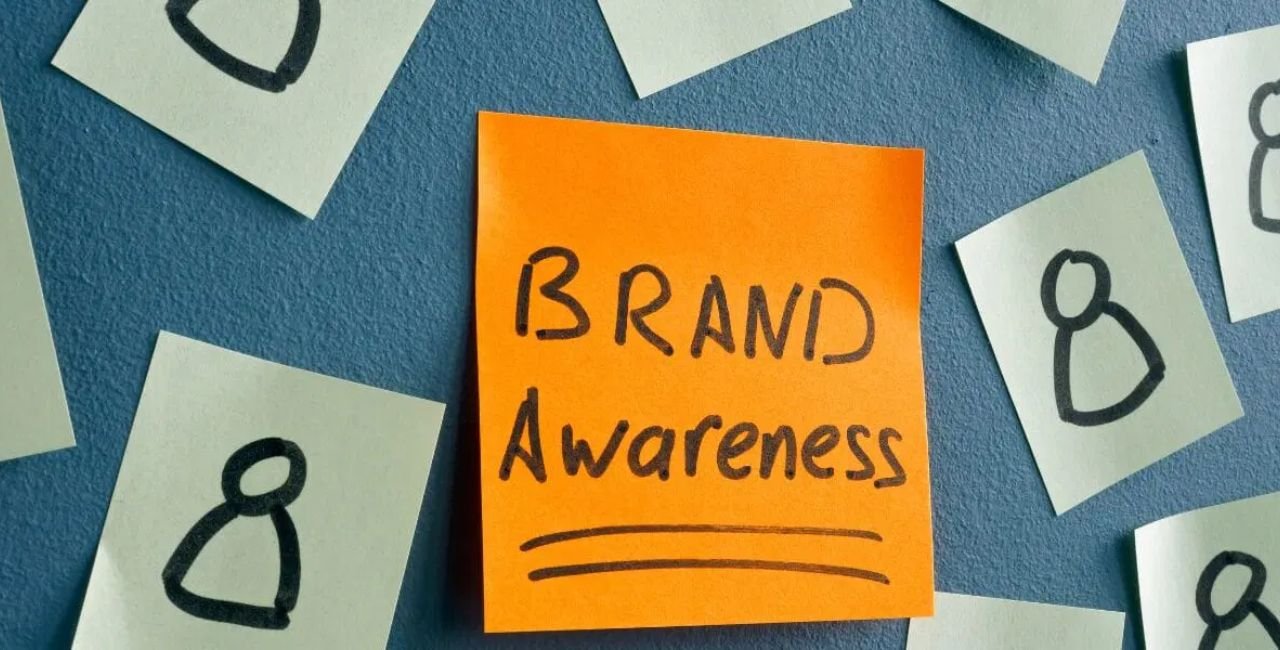
In today’s fast-paced business environment, standing out requires more than just offering quality products or services. Companies must focus on making their name familiar and trusted by potential customers everywhere. One of the most powerful ways to achieve this is through brand awareness marketing tactics. These approaches help organizations reach wider audiences, create positive associations, and foster lasting relationships without relying on aggressive sales pushes. By prioritizing visibility and recognition, businesses can lay a strong foundation for growth while maintaining ethical standards that align with values of honesty and community benefit.
This article explores comprehensive strategies to boost your brand’s presence ethically and effectively. Whether you run a small startup or manage an established company, understanding these methods can transform how your audience perceives and remembers you. We will cover everything from foundational concepts to advanced techniques, real-world examples, and practical steps you can implement right away. Along the way, we incorporate related keywords such as brand recognition strategies, digital visibility enhancement, and effective customer engagement tactics to provide a complete picture. By the end, you will have a clear roadmap to elevate your marketing efforts responsibly.
Brand awareness is not just about being seen—it is about being remembered for the right reasons. In an era where consumers have endless choices, consistent and value-driven exposure builds credibility and encourages loyalty over time.
What Is Brand Awareness and Why Does It Matter
Brand awareness refers to the extent to which consumers recognize and recall a particular brand when thinking about a product category. It forms the top of the marketing funnel, serving as the first step toward consideration, preference, and eventual purchase. Without strong awareness, even the best offerings may go unnoticed.
The importance of brand awareness cannot be overstated. It creates a mental shortcut for customers, reducing decision-making time and increasing the likelihood of choosing familiar names. Studies show that brands with high awareness often enjoy higher trust levels, better customer retention, and improved market share. In competitive industries like technology, education, health products, and consumer goods, awareness acts as a protective barrier against rivals.
For businesses operating in regions with growing digital adoption, such as Pakistan and other emerging markets, brand awareness marketing tactics become even more critical. They help bridge the gap between local traditions and global opportunities while respecting cultural values. Effective customer engagement tactics, for instance, focus on building genuine connections rather than short-term gains.
Key Components of Successful Brand Recognition Strategies
Successful brand recognition strategies rest on three pillars: consistency, relevance, and authenticity. Consistency ensures your visual identity, messaging, and tone remain uniform across all platforms. Relevance means tailoring content to what your audience truly cares about. Authenticity builds trust by staying true to your core values.
When developing these strategies, start by defining your unique value proposition. What problem do you solve? How do you contribute positively to society? Answering these questions helps craft messages that resonate deeply. Digital visibility enhancement plays a vital role here by leveraging online channels to amplify your reach without compromising integrity.
Traditional vs. Modern Brand Awareness Marketing Tactics
Traditional methods like print advertisements, radio spots, and outdoor signage still hold value in certain contexts. They offer tangible presence in local communities and can target audiences less active online. However, modern tactics have shifted heavily toward digital platforms due to their measurability and cost-effectiveness.
The blend of both worlds often yields the best results. For example, combining a community event with social media coverage creates a multiplier effect. This hybrid approach ensures broader exposure while maintaining personal touchpoints that matter in relationship-focused cultures.
Social Media Platforms as Powerful Tools for Visibility
Social media remains one of the most accessible channels for brand awareness marketing tactics. Platforms like Instagram, Facebook, LinkedIn, and X (formerly Twitter) allow real-time interaction with millions of users.
To succeed, create a content calendar focused on educational, inspirational, and entertaining posts. Share behind-the-scenes stories, customer testimonials, and industry insights. Use hashtags strategically and engage actively with comments to foster community.
Effective customer engagement tactics on social media include live sessions, polls, and user-generated content campaigns. Encourage followers to share their experiences with your brand, turning them into advocates. This not only boosts visibility but also builds social proof naturally.
Remember to align your social presence with ethical guidelines—avoid sensationalism and focus on value addition. Tools like scheduling apps can help maintain consistency without overwhelming your team.
Content Marketing: The Heart of Digital Visibility Enhancement
Content marketing stands as a cornerstone of brand recognition strategies. By producing high-quality articles, videos, infographics, and guides, you position your brand as a helpful authority rather than a mere seller.
Start with keyword research to understand what your audience searches for. Then, create pillar content that addresses core topics comprehensively. Repurpose this into shorter formats like social snippets, email newsletters, and podcasts for maximum reach.
For instance, a blog series on sustainable living paired with practical tips can attract environmentally conscious consumers. Include internal resources where relevant, such as exploring data-driven insights for smarter decision-making through Unlocking business insights with data analytics. This approach demonstrates thought leadership while providing genuine utility.
Aim for consistency—publish regularly and optimize for search engines to improve organic reach. Over time, this builds a library of valuable content that continues driving awareness long after publication.
SEO Strategies to Boost Long-Term Visibility
Search engine optimization (SEO) is essential for digital visibility enhancement. It ensures your website appears when potential customers look for related information.
Focus on on-page elements like meta titles, descriptions, and header tags. Create mobile-friendly, fast-loading sites with clear navigation. Build quality backlinks through guest posts and partnerships with reputable sites.
Technical SEO, including schema markup and site architecture, further supports awareness efforts by improving user experience. Regularly audit your performance using free tools to refine your approach.
When combined with content marketing, SEO turns passive browsers into engaged visitors, laying groundwork for stronger brand recall.
Leveraging Influencer Partnerships Ethically
Influencer collaborations can accelerate brand awareness when done thoughtfully. Choose partners whose values align with yours and whose audiences match your target demographic.
Rather than scripted promotions, opt for authentic storytelling where influencers share genuine experiences. This builds credibility and extends reach organically.
In many markets, micro-influencers often deliver higher engagement rates than celebrities because their recommendations feel more personal and trustworthy. Track results through unique discount codes or custom links to measure impact accurately.
Email Marketing for Nurturing Awareness
Email remains a direct and personal channel for maintaining awareness. Build a subscriber list through valuable lead magnets like ebooks or webinars.
Send regular newsletters with helpful content, not just sales pitches. Segment your audience to deliver relevant messages that strengthen relationships over time.
Personalization and automation tools make this scalable while keeping communications warm and human. This nurtures existing awareness into deeper loyalty.
Offline and Community-Based Engagement Tactics
Do not overlook real-world interactions. Host workshops, sponsor local events, or participate in trade fairs to create memorable experiences.
Community involvement, such as supporting educational initiatives or environmental causes, enhances reputation and generates positive word-of-mouth. These efforts align well with values emphasizing social responsibility.
Photograph and share these events online to bridge offline and online worlds, maximizing exposure.
Integrating Technology: AI and Data-Driven Approaches
Modern brand awareness marketing tactics increasingly rely on technology for precision and scale. Artificial intelligence can analyze trends, personalize content, and predict customer preferences.
For deeper understanding, consider leveraging AI for innovative marketing solutions. Data science analytics further empower businesses to refine strategies based on real insights rather than guesswork.
By using these tools responsibly, you can optimize campaigns for better results while respecting privacy and ethical standards.
Brand awareness marketing tactics continue to evolve with technology, offering smarter ways to connect and grow sustainably.
Measuring the Success of Your Efforts
Tracking progress is crucial. Key metrics include reach, impressions, recall surveys, website traffic, and social engagement rates.
Use analytics platforms to monitor what works and adjust accordingly. Tools like Google Analytics provide valuable data on user behavior.
Set clear goals from the start—whether increasing unaided recall by a certain percentage or growing social followers organically.
Common Mistakes to Avoid
Many businesses rush into campaigns without clear objectives or audience understanding. Others neglect consistency, leading to fragmented perceptions.
Avoid over-promising or using tactics that feel manipulative. Focus on long-term value rather than quick wins. Regularly review and refresh your strategies to stay relevant.
Case Studies of Successful Implementation
Consider a tech gadget company that used consistent content and social engagement to grow from local player to recognized name across regions. Through educational videos and community events, they built trust and expanded awareness significantly.
Another example involves an educational service provider that combined SEO with email nurturing, resulting in steady growth in inquiries and positive brand associations.
These cases highlight how integrated brand recognition strategies deliver measurable results when executed with patience and integrity.
Future Trends in Brand Awareness Marketing Tactics
Looking ahead, personalization, short-form video, and immersive experiences like augmented reality will shape the landscape. Voice search optimization and ethical AI use will become standard.
Sustainability messaging and community-focused initiatives will gain prominence as consumers demand responsible brands.
Stay adaptable by monitoring industry developments and experimenting thoughtfully.
Conclusion
Mastering brand awareness marketing tactics requires dedication, creativity, and ethical commitment. By focusing on value, consistency, and genuine connections, you create a brand that resonates deeply and endures.
Implement these strategies step by step, measure progress, and refine as needed. With related approaches like brand recognition strategies and effective customer engagement tactics, your business can achieve sustainable growth and meaningful market presence.
Start today by auditing your current efforts and identifying one area for immediate improvement. The journey toward greater visibility begins with a single focused action—and the rewards will compound over time.
