


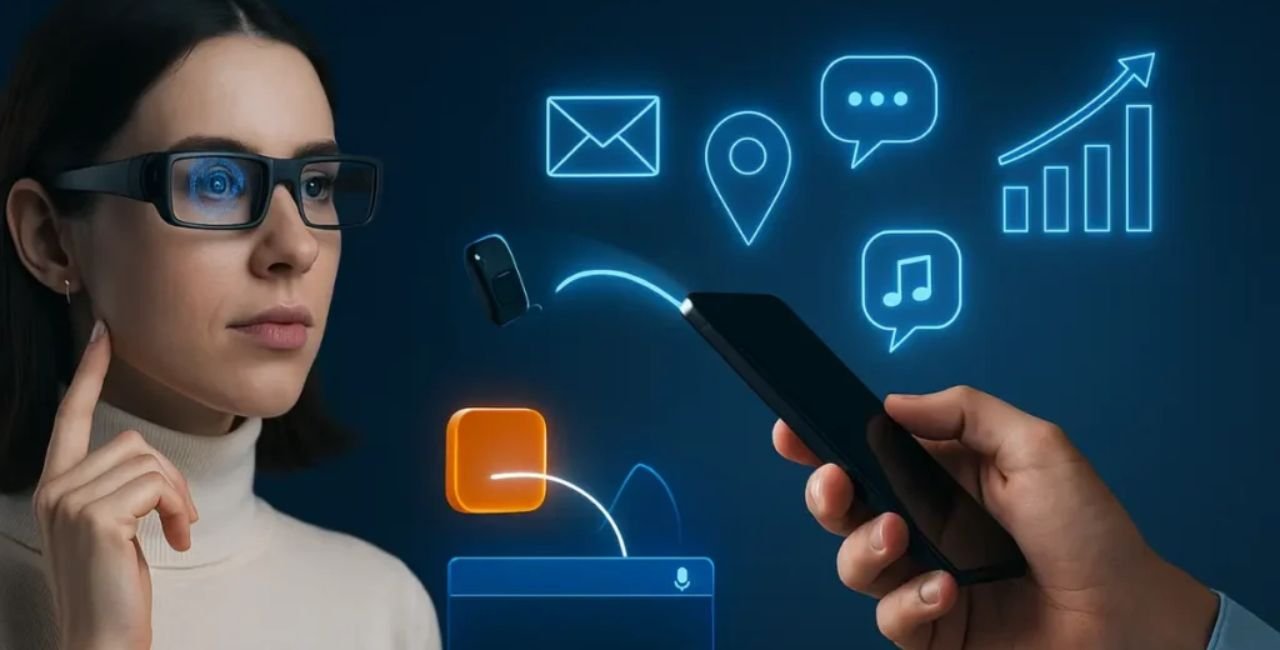
Big companies like Apple, Google, and Meta are busy planning new ways for us to use tech every day. They see a time when phones will not be the main gadget in our pockets. Instead, tech giants envision post-smartphone future where glasses, voice helpers, and even tiny devices on our bodies do all the work. This change feels exciting because it promises less screen staring and more real-life fun. Phones will still exist, but they will step back like a quiet helper in the background. You can walk, talk, and get help without pulling out a device all the time.
Why Phones May Lose Their Top Spot Soon
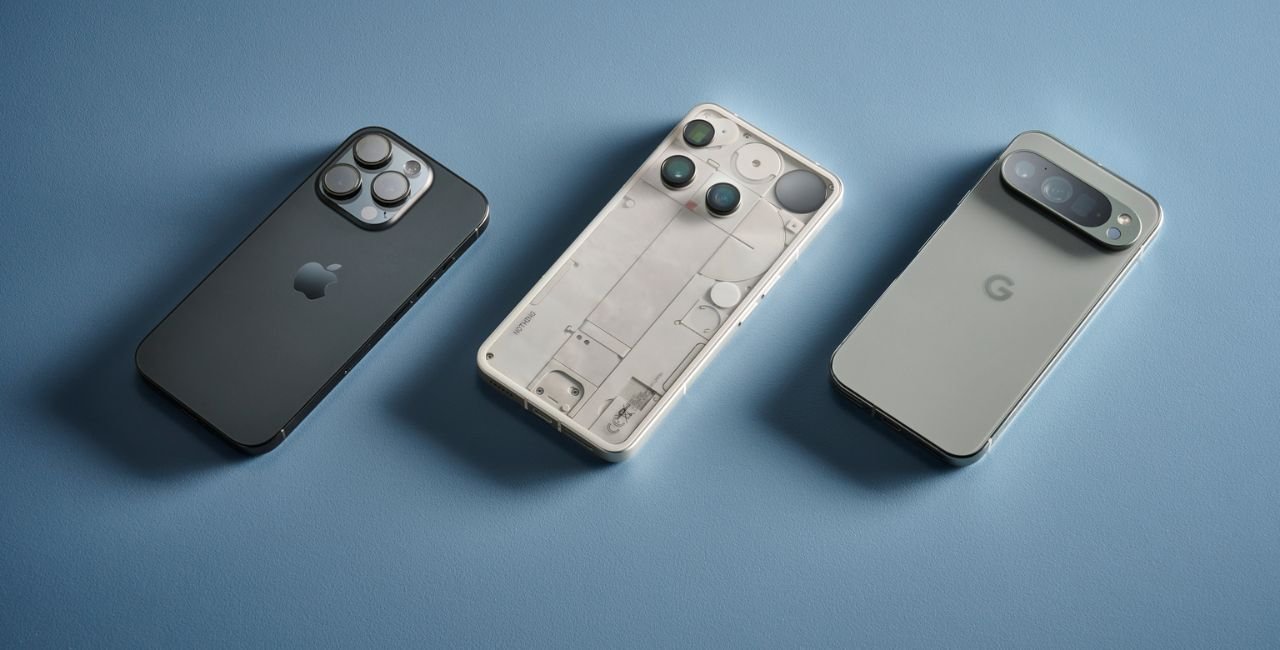
Think about your phone right now. It is great for calls, maps, and photos. But many people feel tired from looking at small screens too much. Phones have not changed much in the last ten years. The screens stay flat, and you still need two hands sometimes. That is why tech giants envision post-smartphone future. They want gadgets that fit into life without getting in the way.
Market watchers say the world of tech after phones could grow to three trillion dollars by 2030. This big number comes from new ideas like smart glasses and helpful AI that know what you need before you ask. Phones feel old when you can get the same help from a pair of light glasses or a watch that talks to everything around you. Younger people already want this shift. They grew up with always-on help and do not like stopping to type or swipe.
How Apple Is Leading the Change
Apple makes the iPhone that millions love. Now the company is building something new called spatial computing. Their Vision Pro headset shows big screens that float in the air around you. You control them with eyes and hands – no touching needed. Apple leaders say glasses will soon take over from phones. The iPhone will stay in your bag and only jump in when you really need it.
Picture this: You wear light Apple glasses. They show directions right on the street in front of you. Or they let you join a meeting with friends who look like they sit at your table. Apple is also fixing Siri to become smarter and work on its own. This means your glasses or watch can answer questions and do tasks while you cook or drive. Apple puts safety first, so all your data stays on your own devices. That makes the shift feel safe and easy for families.
Google’s Smart Plan for Everyday Help
Google knows phones well because of Android. But tech giants envision post-smartphone future, and Google is ready. They work on ambient computing. This fancy name means tech that lives in the background and helps without you asking. Their new AI called Gemini can guess what you need next.
Google also tests smart glasses that work with Android. These glasses can translate words you hear in another language right away. Or they point out the best path in a busy city. Google teams up with others to make XR – that is mixed reality – so your living room turns into a giant workspace. You see big screens all around you without buying extra monitors. This helps students and workers who move a lot. Google keeps things simple so anyone can use it, even kids or older parents.
Meta’s Focus on Fun and Friends
Meta, the company behind Facebook and Instagram, wants the next big thing to feel like hanging out with friends. They build smart glasses with Ray-Ban that look normal but add cool tricks. You can take photos, get messages, or talk to AI without a phone. Meta spent more than fifty billion dollars on this idea already. They plan to sell millions of these glasses by 2030.
In Meta’s world, you step into mixed reality spaces where games and chats feel real. Your glasses show friends as 3D people in your room. No more tiny video calls. Meta also works on AI that lives in the glasses and remembers your likes. It suggests songs or jokes at the right time. This makes daily life happier and more connected. Parents can feel good because Meta adds easy controls for kids.
Samsung and Other Players Join In
Samsung loves foldable phones right now, but they see farther ahead. They make AR screens and smart home gadgets that talk to each other. Their watches and rings track health and share info with glasses. Samsung works with Google on XR tools so everything feels smooth. Other companies like Microsoft bring mixed reality to offices, and OpenAI builds AI that works everywhere at once.
Even Neuralink, started by a forward thinker, tests tiny brain links. These help people who cannot use hands to control tech just by thinking. Soon, healthy people might use light versions for quick tasks. All these players work together in some ways, so your gadgets from different brands will still play nice.
Key Tech That Makes the New Future Possible
AR glasses sit at the heart of the change. They are light, look like normal eyewear, and add info on top of what you see. Walk down the street and arrows show the way. Read a sign in another language instantly. Companies test batteries that last all day and styles that match your outfits.
Spatial computing mixes real and digital worlds. You sit at your desk but see giant screens floating. Or you design a new chair by moving your hands in empty air. It feels like magic but uses simple eye and hand moves.
AI assistants grow smarter every month. They learn your habits and help before you speak. Say you are late for work – the AI books a ride and tells your boss. All this runs on your device so privacy stays strong.
Foldables and rollable screens act as a bridge. They give bigger views on a phone today but will shrink into wearables tomorrow. Graphene makes gadgets super thin and strong. Fast batteries charge in seconds so you never wait.
Brain interfaces read simple thoughts. Right now they help medical needs, but later they could let you answer texts by thinking. Experts move slowly to keep everything safe.
A Typical Day in the Post-Smartphone World
Wake up. Your glasses gently wake you with soft light and show the weather. No phone alarm. At breakfast, AI suggests healthy food from your fridge and orders milk if you run low.
On the way to work, glasses give directions and play your favorite podcast. They translate if you meet someone from another country. At the office, you put on your headset and see a huge desk with all your files floating. Colleagues join from anywhere as 3D figures. You point and talk – no typing.
Shopping feels fun. Glasses show how a new shirt looks on you without trying it. At the store, prices and reviews pop up. Even doctors use these tools to check your health with a quick scan.
Evening comes. You relax on the couch while AI plays a movie that feels like you are inside it. No phone in hand. The day ends with a quiet reminder to sleep from your watch. Life flows without stops.
These scenes come from real tests by the big companies. They show how tech giants envision post-smartphone future can feel normal and helpful.
Jobs and Places That Will Change Most
Healthcare gets easier. Doctors see inside the body with AR help during check-ups. Nurses track patients from far away.
Schools turn exciting. Kids learn history by walking through old cities in 3D. Teachers reach every student with personal AI guides.
Shopping stores become smart. You try clothes at home with glasses. Factories use robots guided by thought.
Travel feels smooth. Glasses translate menus and show hidden history facts about buildings. Entertainment moves to full immersion – games where you feel the wind.
Even farming and building use these tools for better crops and safer sites. The list goes on because every job touches tech now.
Steps You Can Take to Get Ready Today
You do not need to wait for 2030. Start small. • Try a smart watch that does more tasks. • Use voice helpers like Siri or Google more often. • Test free AR apps on your current phone. • Learn about privacy settings so you stay safe later.
These steps build comfort. Big companies make the tech easy on purpose. You will feel excited, not scared.
Real Challenges and Honest Answers
Every big change has bumps. Glasses must feel light and look good. Batteries need to last longer. People worry about cameras watching too much. Rules for brain tech must protect thoughts. Cost will start high but drop fast, like phones did years ago.
Companies listen to these worries. They add strong privacy buttons and simple controls. Tests show most people love the freedom once they try it. You can always keep your old phone as backup.
Clear Timeline for the Big Shift
2025 to 2030: Glasses and smart AI start in stores. Early users test them. Phones still rule but get less use.
2030 to 2035: Most people own light wearables. Work and school move to spatial setups.
2035 to 2040: Phones become extra tools. Daily life runs on voice, eyes, and thoughts.
These dates come from careful studies. Things may speed up if new inventions arrive early.
How This Future Helps Regular Families
Moms and dads will have more time with kids because tech handles reminders and shopping. Grandparents stay connected with easy voice chats and big clear screens. Kids learn faster with fun 3D lessons. Everyone feels less stressed from constant phone checks.
Simple Tips for a Smooth Move
- Keep your phone updated so it works with new gadgets.
- Practice voice commands daily.
- Choose brands that care about privacy.
- Start with one new wearable and build from there.
These small habits make the switch fun and quick.
When Tech Giants Envision Post-Smartphone Future: Real Progress Today
Right now, tests prove the ideas work. Apple’s headset already lets people build 3D models with hands. Google’s AI answers hard questions on the spot. Meta glasses let you snap photos by blinking. These early steps show the vision is real and close. You can watch news from sites like Techstatar for more company updates or read about stepping-stone phone features at HowStuffWorks. For extra market numbers and charts, check details in reports linked from The Data Scientist.
Frequently Asked Questions
What exactly does post-smartphone mean? It means phones move to the side while glasses, watches, and AI take the main job.
Will I still need a phone at all? Yes, but only for rare tasks. Most days you skip it.
Are AR glasses safe for kids? Companies add parent controls and limit screen time. Tests show they feel lighter than phones.
How much will new gadgets cost? Early ones may match a good phone price. Prices drop fast after the first year.
What about privacy in always-on tech? You control what shares. Data stays on your device most times.
Can older people use this? Yes! Voice and eye controls make it simpler than typing on small screens.
When can I buy my first pair? Light smart glasses are already here, and better ones arrive each year.
Does this mean the end of apps? Apps change shape. They become voice talks or floating tools.
Will jobs disappear? New jobs grow in making and fixing these gadgets. People still lead the work.
How do I stay updated? Follow simple tech news and try free trials. For creative views on trends, visit ultrapanda.co for fresh stories.
Wrapping Up the Exciting Road Ahead
In the end, tech giants envision post-smartphone future that feels natural and kind to our eyes and hands. Phones helped us for years, but now glasses, AI, and smart links open doors to freer days. Life gets simpler, work feels lighter, and fun grows bigger. You have nothing to fear – the change comes step by step with clear safety rules.
What part of this new world excites you most – the smart glasses or the thinking controls? Tell us your thoughts below!
References
- Techstatar article on tech giants and future tech plans (2024 update).
- The Data Scientist report with market numbers and company tables (includes Ericsson and Future Market Insights data).
- HowStuffWorks guide to 12 phone features that lead to bigger changes.
- Company sites: Apple, Google, Meta, Samsung for latest product news.
- Ultrapanda.co for trending creative and news updates.
