


When you buy a car on finance, questions about privacy and control often come up. Many people ask: do cars have gps trackers for repo? The short answer is yes, some do—but not all. Lenders and dealerships sometimes install these devices to make it easier to find and recover vehicles if payments fall behind. This practice helps them cut costs on repossession, but it raises concerns for drivers who value their privacy. In this article, we’ll break down why trackers are used, how they work, where they’re hidden, and what you can do about them. We’ll draw from real examples and stats to keep things clear and helpful.
Understanding this topic matters because car repossessions hit record highs in recent years. According to the National Insurance Crime Bureau (NICB), over 1 million vehicles were stolen in the US in 2023, and while that’s about theft, it ties into why trackers exist for security. But for repo specifically, trackers help lenders avoid the hassle of hunting down cars. If you’re a car owner with a loan, especially if it’s a subprime or Buy Here Pay Here (BHPH) deal, knowing about these devices can give you peace of mind. Let’s dive in.
Why Lenders Use GPS Trackers in Cars
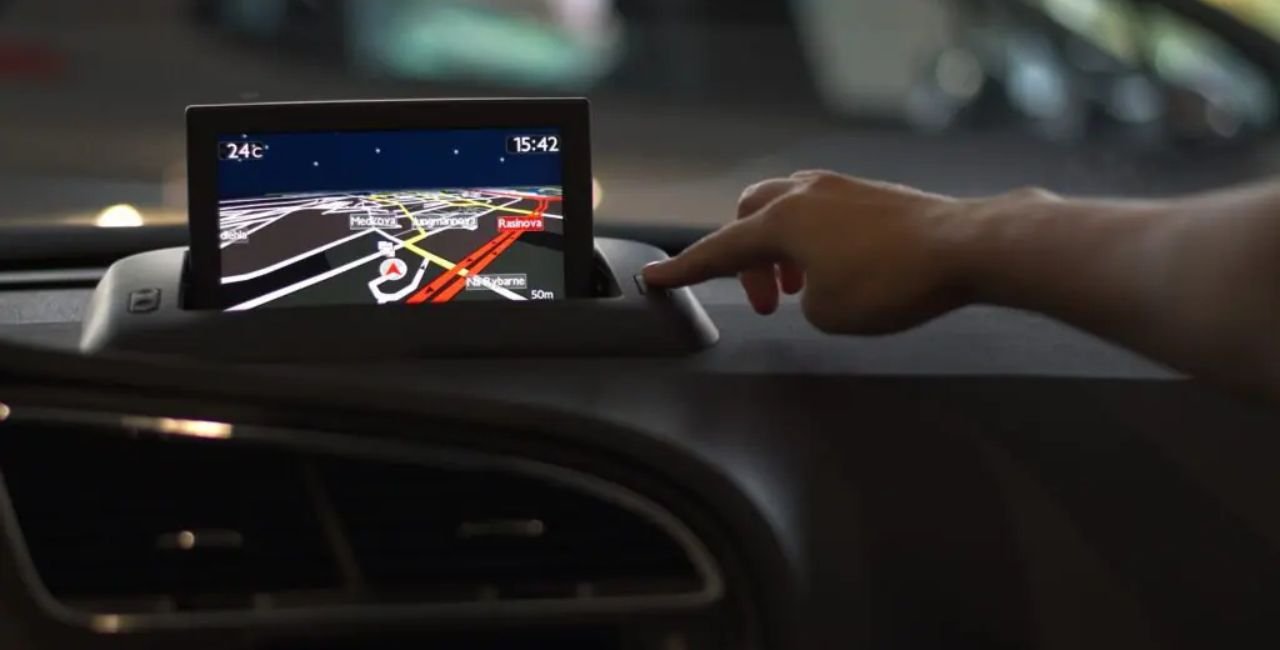
Lenders turn to GPS trackers because repossession can be tricky and expensive. When a borrower misses payments, the lender has the right to take back the car. Without a tracker, repo agents might spend hours or days searching for it. A GPS device changes that by sending real-time location data. This makes the process faster and safer for everyone involved.
Think about high-risk . Subprime borrowers—those with lower credit scores—often face higher chances of default. Data from the Consumer Financial Protection Bureau (CFPB) shows that subprime auto make up about 20% of the market, and defaults in this group can reach 15-20% in tough economic times. To lower their risks, lenders might require a tracker as part of the loan terms. It’s not always sneaky; many contracts spell it out upfront.
Dealerships play a role too. They might install trackers for inventory management before the sale. Once you drive off the lot, if the car is financed through them, the device stays active. This ties into broader vehicle security trends. For instance, telematics systems like OnStar in GM cars or Uconnect in Chrysler vehicles offer built-in tracking, but those are more for emergencies and navigation, not repo. Aftermarket devices, however, are designed for recovery purposes.
In BHPH lots, where you buy and finance in one place, trackers are common. These setups cater to folks who might not qualify for traditional. The tracker ensures the dealer can locate the car if payments stop. It’s reassuring for lenders, but drivers should know it’s there. Always read your loan agreement carefully—look for sections on monitoring or recovery tools.
How GPS Trackers Work for Repossession
GPS trackers rely on satellite signals to pinpoint a car’s location. They connect to a network that sends data to the lender’s system. Most are small, about the size of a deck of cards, and run on the car’s battery or their own power source. When activated, they update position every few minutes or in real time if needed.
For repo, the process starts with a default notice. If you ignore it, the lender uses the tracker to find the car. Repo agents then show up, often at night to avoid conflict, and tow it away. Laws require this to happen peacefully—no breaking into garages or using force.
Types of trackers vary:
- OBD-II port devices: Plug into the diagnostic port under the dashboard. Easy to install and remove.
- Hardwired units: Connected to the car’s electrical system, harder to spot.
- Battery-powered magnets: Stuck under the car, no wires needed.
These tools cut repo costs by up to 50%, according to industry reports. A standard repossession might cost $300-500 without a tracker, but with one, it’s quicker and cheaper. However, privacy laws limit how data is used. Lenders can’t track you for fun; it must tie to the loan.
Real-world example: In a case from Arizona, a driver found an extra tracker causing electrical glitches. The finance company denied it, but experts said without consent, it could be illegal. This shows why transparency matters.
Legal Aspects of Car Trackers for Repo
Laws on vehicle tracking differ by state, but federal rules set basics. The Fair Debt Collection Practices Act (FDCPA) protects you from harassment, including sneaky tracking. Lenders must disclose if a tracker is part of the deal—usually in the loan contract.
Is it legal? Yes, if you consent. Signing the agreement counts as approval. But adding one later without telling you? That could violate privacy rights. In states like California, strict consumer laws require clear notice. Arizona cases highlight that unauthorized devices might lead to negligence claims if they cause damage, like battery drain or failed emissions tests.
Consumer rights include:
- Reviewing the contract before signing.
- Asking for tracker details.
- Challenging undisclosed tracking in court.
If you’re behind on payments, communicate early. Many lenders offer hardship programs to pause repo. Tampering with a tracker? Don’t— it breaches the contract and speeds up repossession.
Statistics from the CFPB note complaints about auto rose 30% in 2022, with tracking privacy as a top issue. Always consult a lawyer for your state’s rules. For more on legal questions, check this expert Q&A on repo agent trackers.
Do Cars Have GPS Trackers for Repo? Common Scenarios
Yes, many financed cars do, especially in certain setups. Do cars have gps trackers for repo? Let’s look at when it’s likely.
- Subprime: High default risk means trackers are standard.
- BHPH financing: Dealers handle everything, so they add devices for protection.
- Used car lots: Inventory trackers often stay on after sale.
Not every car has one. New cars from big makers like Toyota or Ford rarely include repo-specific trackers. Built-in systems are for owner benefits, like remote start. But if your loan is through a third-party lender, they might insist on an aftermarket install.
Examples abound. In 2023, NICB reported trackers helped recover 80% of equipped stolen vehicles—similar tech applies to repo. For drivers, this means peace of mind if you’re current on payments, but worry if you’re not.
To check your car, inspect spots like the OBD-II port or under seats. If you suspect one, a mechanic can confirm. For tips on dealership practices, see this blog on dealership trackers.
Pros and Cons of GPS Trackers in Vehicles
Trackers have upsides and downsides. Let’s weigh them.
Pros
- Faster recovery: Lenders save time and money.
- Theft protection: Many double as anti-theft tools, potentially lowering insurance rates by 5-10%.
- Vehicle health monitoring: Some track diagnostics, alerting to issues early.
- Peace for lenders: Reduces defaults by encouraging timely payments.
Cons
- Privacy invasion: Constant tracking feels intrusive.
- Battery drain: Devices can sap power, leading to dead batteries.
- Legal risks: Undisclosed use sparks lawsuits.
- Cost to you: Installation fees might hide in the loan.
Balancing these, trackers reassure lenders but require trust. If you’re buying, negotiate removal after full payment.
How to Detect Hidden Trackers in Your Car
Worried about a tracker? Detection is straightforward with these steps.
- Visual check: Look under the dashboard, in the glove box, trunk, or undercarriage. Common hides include wheel wells or behind bumpers.
- Use tools: Buy a RF detector for $20-50 to scan for signals.
- Professional help: A mechanic or auto shop can inspect wiring.
- Monitor symptoms: Unusual battery drain or electrical glitches? Investigate.
If you find one, don’t remove it if the car is financed—contact the lender first. For more detection advice, read this guide on car trackers for repo.
Stats show 70% of trackers are in the OBD-II port—start there. Reassuringly, most are easy to spot once you know where.
Preventing Repossession and Handling Trackers
Avoid repo by staying on top of payments. If trouble hits, act fast.
- Talk to your lender about extensions or refinancing.
- Explore hardship options—many offer them.
- Build an emergency fund for car costs.
For trackers, review contracts. If no mention, question it. Some states let you opt out. Use apps to monitor your credit and payments.
In one story, a driver avoided repo by catching up after a tracker alert—communication saved the day.
If you’re into advanced tracking for your own use, sites like UltraPanda offer options, but that’s for personal choice, not lender mandates.
Impact on Insurance and Vehicle Value
Trackers can affect insurance. Some companies give discounts for equipped cars, up to 15%, because they aid recovery. But if it’s for repo, disclose it—hiding could void coverage.
On value, a tracker doesn’t hurt resale much. Buyers might see it as a perk for security. Remove it professionally post-loan to avoid issues.
Data from Kelley Blue Book shows tracked vehicles hold value better in theft-prone areas.
State-by-State Differences in Tracker Laws
Rules vary. In Texas, repo is quick with trackers allowed if consented. California demands more notice. Arizona cases show unauthorized ones can lead to claims.
Check your state’s DMV site. General tip: Consent is key everywhere.
Myths About Car Trackers Debunked
Myth 1: All cars have built-in repo trackers. Fact: Only some financed ones do.
Myth 2: Trackers spy on everything. Fact: They focus on location for recovery.
Myth 3: Removal is always illegal. Fact: After payoff, it’s yours to remove.
Clearing these up helps you make informed choices.
Tips for Buying a Car Without Trackers
Shop smart:
- Choose cash or traditional over BHPH.
- Ask about trackers upfront.
- Inspect the car before signing.
- Read every line of the agreement.
This way, you control your privacy.
The Future of Vehicle Tracking Technology
Tech evolves. Future trackers might integrate AI for predictive defaults. But privacy laws tighten, like GDPR influences in the US.
Expect more opt-ins and data controls. For now, knowledge empowers you.
FAQs About Car GPS Trackers
What if I find a tracker in my car?
Document it and contact the lender. Don’t remove without permission.
Do cars have gps trackers for repo in new vehicles?
Rarely from the factory, but lenders can add them.
Are trackers always hidden?
Yes, to prevent tampering.
Can I sue over an undisclosed tracker?
Possibly, if it violates privacy—seek legal advice.
How do trackers affect my daily driving?
Usually none, unless they cause electrical issues.
Conclusion
In summary, do cars have gps trackers for repo? Often yes, especially in financed or high-risk, to help lenders recover assets quickly and cut costs. We’ve covered how they work, legal sides, detection methods, pros and cons, and tips to handle them. Remember, transparency in contracts is crucial, and communicating with lenders can prevent issues. Stay informed to protect your rights and privacy.
What experiences have you had with car trackers or repossession? Share in the comments to help others.
References
- GPX Blog: Do Dealerships Put Trackers on Cars? – Provides insights on dealership practices and detection, useful for car buyers concerned about inventory security.
- American Dream Auto Protect: Do Cars Have Trackers for Repo – Details on repo processes and consumer tips, aimed at subprime borrowers facing financial stress.
- JustAnswer: Legality of Repo Agent GPS Trackers – Legal Q&A for those suspecting unauthorized tracking, targeting Arizona residents or similar with privacy worries.
