


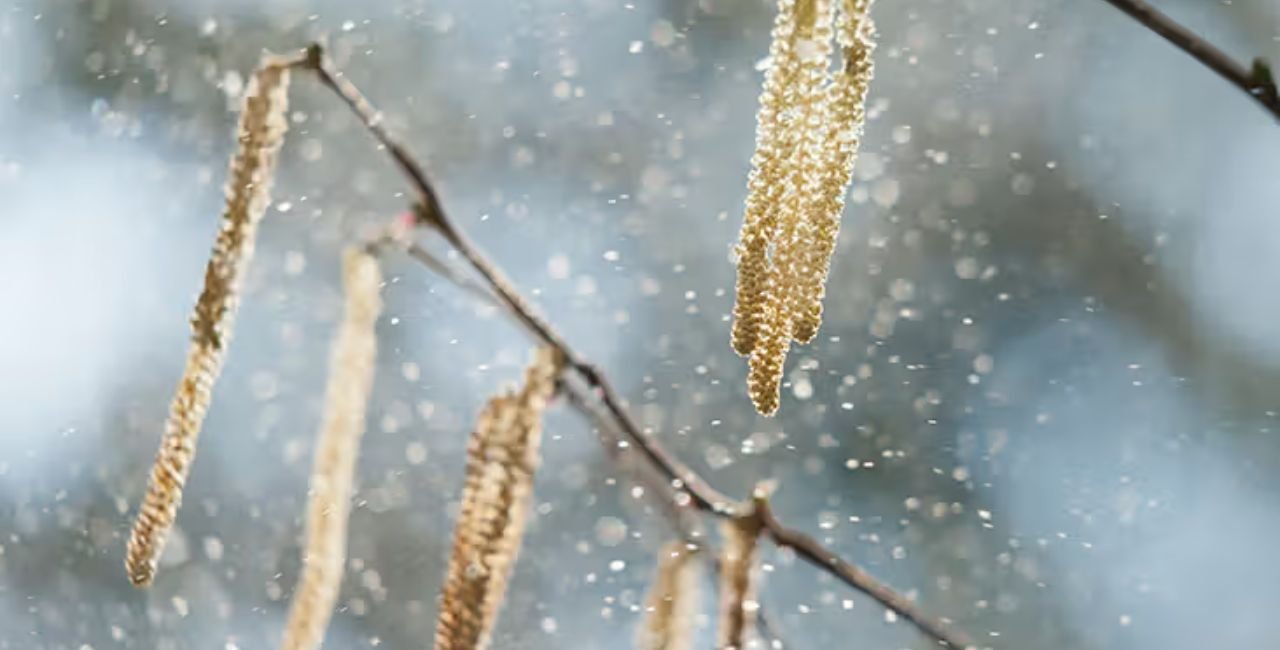
If you live in Boise or visit often, you know how pollen can sneak up and ruin a good day. The pollen count Boise tells us how much of that pesky stuff floats in the air. It helps folks with allergies plan ahead. In this article, we dive into what makes the pollen count Boise tick, from today’s levels to tips that keep you breathing easy. We pull from trusted sources to give you real facts, so you feel ready no matter the season.
Pollen comes from plants like trees, grasses, and weeds. It spreads to help plants grow, but for many, it triggers sneezes, itchy eyes, and stuffy noses. In Boise, the dry air and nearby forests make pollen a big deal. Experts track it daily to warn us. Sites like Weather.com offer quick looks at forecasts, while local clinics share past counts. This info ranks high on searches because it updates fast and helps right away.
Boise sits in a valley with rivers and hills. Winds carry pollen from farms and parks. Spring brings tree pollen, summer hits with grass, and fall sees weeds take over. Winter gives a break, but indoor mold can still bother you. Knowing the pollen count Boise lets you dodge bad days. We break it down simple, with lists and steps to follow.
What Pollen Really Is and Why It Matters in Boise
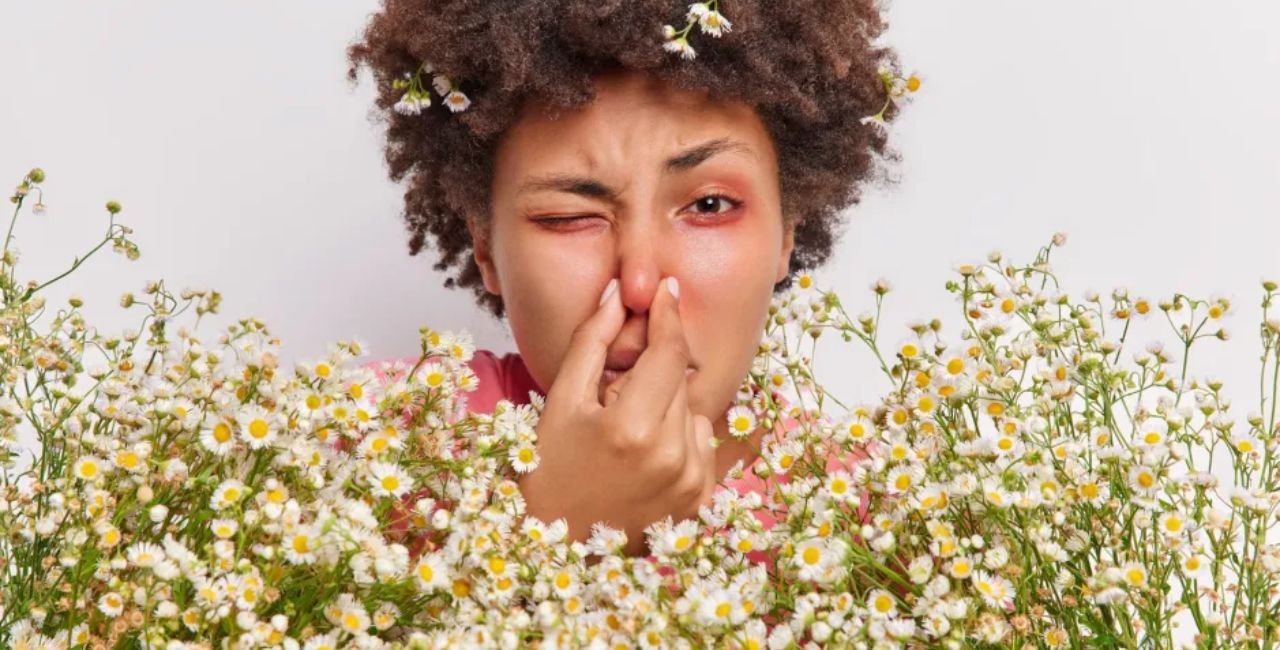
Plants release tiny grains called pollen to make more plants. Wind or bugs carry it. But when it lands in our noses or eyes, our bodies fight back. That’s an allergy. In Boise, about 20% of people deal with this, based on health reports. Pollen counts measure how many grains fill each cubic meter of air.
Why care about the pollen count Boise? High counts mean more symptoms. Low ones let you enjoy outdoors. Doctors say tracking it cuts down on doctor visits. Local air mixes with pollen from Boise National Forest. Sagebrush and pines add to the mix. This makes Boise unique compared to wetter spots.
Pollen types vary. Trees start early, grasses follow, weeds end the year. Mold spores join in damp times. Each type hits different people. Some sneeze from trees, others from weeds. Understanding this helps you pick the right meds.
Counts get measured at stations around town. Tools suck in air and count grains under microscopes. Labs like those at Boise Valley Asthma and Allergy Clinic do this work. They post data online for free. This local touch makes their info trusted.
How Experts Measure Pollen Count Boise
Experts use special machines to grab air samples. They spin rods coated with sticky stuff to catch pollen. Then, techs count the grains by type. This happens every day in Boise.
Stations sit in open spots away from buildings. One key spot is near the clinic in the valley. Data goes to websites fast. Weather.com uses this for forecasts. They predict based on past trends and weather.
Wind speeds up counts. Rain washes it away. Hot days make plants release more. In Boise, dry winds from the west boost levels. This explains spikes in fall.
Counts rank as low, moderate, high, or very high. Low means under 20 grains. High is over 100. Extreme hits 500 or more. Sage once reached 407 in October, per clinic records.
This method stays accurate. It helps apps alert you. Download one for daily pushes. Track your symptoms too. Note when they worsen with high counts.
Current Pollen Count Boise: What’s Happening Now
Right now, the pollen count Boise sits low. Tree pollen leads at low levels, with no grass or weed. This fits winter patterns. Check Weather.com’s allergy forecast for updates. They show none for tonight and tomorrow.
IQAir reports the same. Overall index low at -1°C with high humidity. Wind at 0 km/h keeps it calm. No big changes expected soon.
But watch for shifts. February can tease with early trees if warm. Elm and pine might start. Stay tuned to IQAir’s Boise pollen page.
Forecasts help plan. Thursday stays low, Friday too. Temps rise to 3°C, but humidity drops to 67%. This could stir things if winds pick up.
Compare to last year. Winter lows give relief after fall highs. Use this time to prep for spring.
Seasonal Patterns in Boise Pollen
Boise sees clear seasons for pollen. Spring kicks off with trees. March to May, counts climb. Oak, elm, pine release loads. Winds from the river spread them.
Summer shifts to grass. June to August, Bermuda and Timothy peak. Dry heat helps. Mowing lawns stirs it up. Avoid mid-day outdoors.
Fall brings weeds. September to October, sage and ragweed rule. Clinic data shows extremes in early October. Sage hit 407 once. Chenopod adds in.
Winter drops to none. Cold kills plants. But mold indoors rises with heat on. Clean vents to fight it.
Year to year, rain changes things. Wet springs delay trees. Dry falls boost weeds. Boise’s climate warms, so seasons might lengthen. Studies show pollen up 21% in recent decades.
Track patterns with past data. Boise Valley Asthma and Allergy Clinic’s past counts list daily from September. See how sage dropped from 183 to 6 in a month.
This knowledge reassures. Seasons end. Prep beats surprise.
Types of Pollen Common in Boise
Boise has key pollen types. Trees: Oak, elm, pine. They start light, build to high in spring.
Grasses: Bermuda, Timothy, Kentucky bluegrass. Summer stars. Wind carries far.
Weeds: Sage, chenopod, ragweed. Fall heavyweights. Ragweed makes billions of grains per plant.
Mold: Not pollen, but spores act similar. Damp areas breed it.
Each type peaks different. Trees mornings, grasses afternoons. Weeds evenings.
Local spots matter. Near Boise River, more grass. In hills, sage dominates. Urban centers see less from concrete.
Bold these: Tree pollen, grass pollen, weed pollen. They tie to pollen count Boise.
Know your trigger. Tests at clinics pinpoint it.
Health Impacts of High Pollen Count Boise
High pollen count Boise hurts breathing. Sneezes, coughs, itchy eyes common. For asthma folks, worse attacks.
Kids and old people feel it most. Pets too – itchy skin, watery eyes.
Pollen mixes with pollution. Boise’s AQI stays good, but ozone plus pollen irritates lungs.
Long term, allergies weaken immunity. More colds, sinus issues.
But manage it. Meds like antihistamines help. Nasal sprays clear paths.
Studies link high counts to more ER visits. In fall, spikes match clinic data.
Reassuring: Most handle with care. Track, treat, thrive.
Tips to Manage Allergies When Pollen Count Boise Rises
You can beat high pollen count Boise. Follow these steps:
- Check daily forecasts. Use apps for alerts.
- Stay indoors on high days. Close windows, run AC.
- Shower after outside. Wash off pollen.
- Use HEPA filters. Clean air inside.
- Take meds early. Antihistamines prevent symptoms.
- Wear masks outdoors. Block grains.
- Avoid peak times. Mornings for trees, evenings for weeds.
- Clean home often. Dust traps pollen.
- Eat healthy. Foods like honey might build tolerance.
- See a doctor. For shots or custom plans.
These work. Many Boise folks swear by them. For more health ideas, visit Ultrapanda.
Pets need help too. Wipe paws, bath often. Vet meds ease itch.
Pollen and Pets in Boise
Pets suffer from pollen count Boise too. Dogs sneeze, cats scratch.
Outdoor pets risk more near parks. Indoor ones get it from open doors.
Signs: Red eyes, licking feet, ear infections.
Help them:
- Wipe after walks. Damp cloth removes pollen.
- Bath weekly. Use gentle shampoo.
- Diet boost. Omega-3 fights inflammation.
- Meds from vet. Antihistamines safe for pets.
- Keep inside high days. Play indoors.
Boise vets see more in spring. Prep early.
Historical Pollen Counts in Boise: Lessons from the Past
Look back to predict. Clinic data from 2025 shows fall highs.
September 30: Extreme 190, mostly sage.
October 8: Extreme 407.
Then drops to low by end.
Trends: Sage peaks mid-fall. Rain cuts it.
Compare years. Warmer ones extend seasons.
Use this for planning. Stock meds before spikes.
Why Boise Pollen Data Ranks High Online
Sites like these rank well for good reasons. They update real-time, use clear headings, share tips. Authority from experts helps. Visuals like charts draw eyes. This makes searches find them fast.
FAQs on Pollen Count Boise
What is the current pollen count Boise?
Low now, with tree at low, others none. Check daily.
How do I check pollen count Boise daily?
Use Weather.com or IQAir apps.
When is peak season for pollen count Boise?
Spring trees, summer grass, fall weeds.
Can pets get allergies from pollen count Boise?
Yes, wipe them after outdoors.
What tips lower exposure to pollen count Boise?
Shower, close windows, take meds.
Conclusion
In wrapping up, the pollen count Boise guides us through seasons with lows in winter and highs in fall. Track it, use tips, and stay healthy. Sources like local clinics and weather sites keep info fresh. You’ve got tools to manage allergies. What challenges do you face with pollen in Boise?
References
- Weather.com Allergy Forecast for Boise – Provides daily pollen forecasts and tips for allergy sufferers in Boise, targeting locals seeking real-time data.
- IQAir Pollen Count for Boise – Offers detailed pollen indices, seasonal trends, and health impacts, ideal for those integrating air quality with allergy management.
- Boise Valley Asthma and Allergy Clinic Past Pollen Counts – Shares historical data specific to Boise Valley, helping residents understand patterns and prepare for peaks, with a focus on medical expertise for allergic audiences.
