


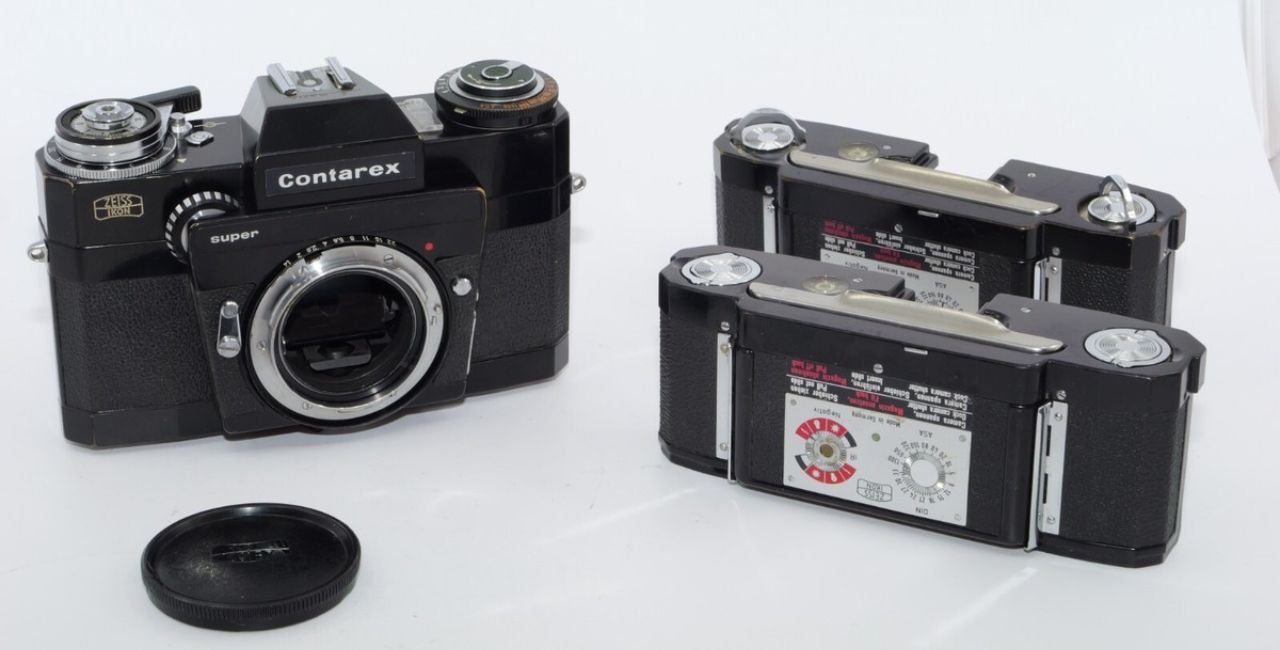
The Legacy of Zeiss Ikon and the Contarex Series
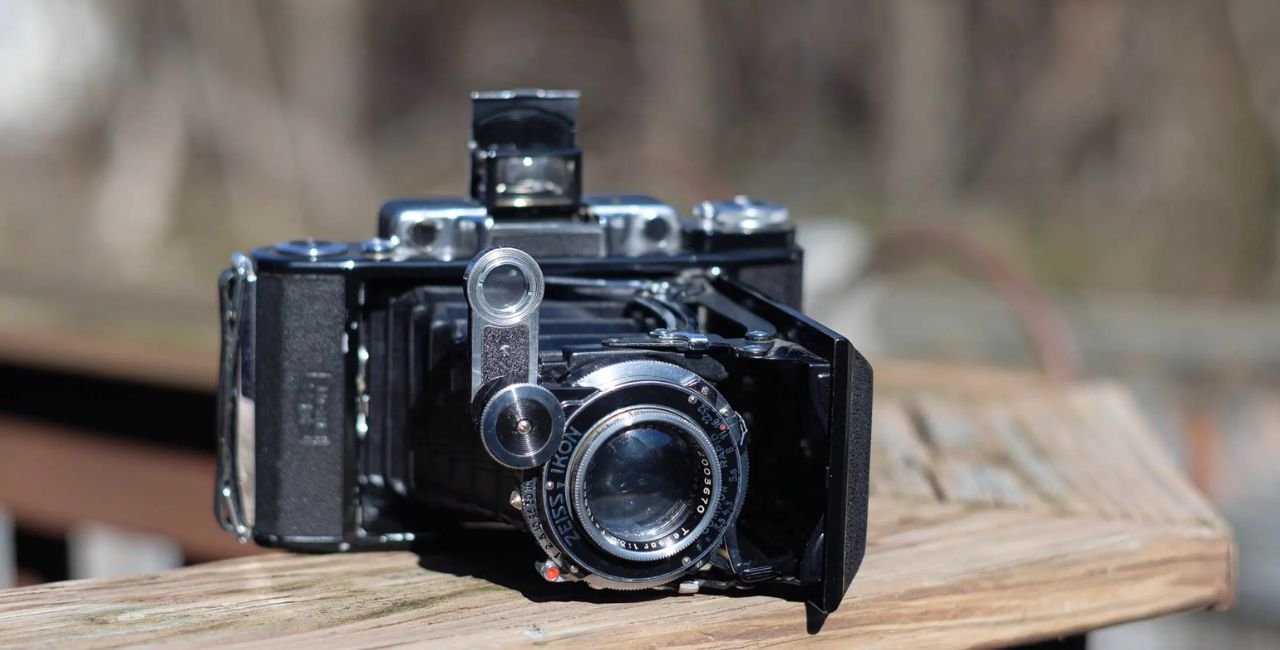
Zeiss Ikon built a reputation for precision optics and innovative designs starting in the early 20th century. Formed in 1926 from a merger of several German camera makers, the company pushed boundaries in photography. By the 1950s, they shifted focus to single-lens reflex (SLR) cameras to compete with leaders like Leica.
The Contarex line launched in 1958 at Photokina, marking Zeiss Ikon’s entry into professional 35mm SLRs. The first model, often called the Bullseye or Cyclops due to its prominent light meter window, set high standards. It featured a focal plane shutter and interchangeable lenses from Carl Zeiss. Production ran from 1959 to 1966 for the initial version, with about 36,000 units made.
Over time, Zeiss Ikon refined the series. The Contarex Special came in 1960, followed by the Professional in 1966, the Super in 1967, and the Super Electronic in 1968. These cameras aimed at pros who needed reliability in tough conditions. The Super Electronic stood out with its electronic shutter, which offered greater accuracy than mechanical ones. This model drew power from batteries for both the meter and shutter timing, a forward-thinking design for its era.
Statistics show the Contarex series’ impact: Zeiss Ikon produced around 50,000 units across all models before ending in 1972. High costs—up to 1,450 Deutsche Marks for a basic kit—limited sales, contributing to the company’s struggles. Yet, collectors value them today for their build quality and optics. For example, a well-maintained Contarex can fetch thousands at auctions.
The shift to electronic components in the Super Electronic model introduced new challenges, like battery dependency. Early versions used a single battery for both meter and shutter, leading to drain issues. Later units added a second compartment under the mirror to separate power sources, improving reliability.
Key Features of the Contarex Super Electronic Camera
This model, marked simply as “Electronic” on some bodies, represented the peak of the line. It ran serial numbers from R55001 to R57000 for the improved dual-battery version. The electronic shutter allowed speeds from 1 second to 1/1000th, plus bulb mode, all controlled precisely.
The camera body weighed about 1 kg without a lens, made from durable metal. It included a pentaprism viewfinder, interchangeable focusing screens, and support for accessories like motor drives. The motor could shoot at 2 frames per second, powered by a battery grip or remote timer.
Lenses for the Contarex were legendary, crafted by Carl Zeiss in Oberkochen. Options included the Planar 50mm f/2, Sonnar 85mm f/2, and wide-angle Distagon 35mm f/2. These optics delivered sharp images with minimal distortion, even by modern standards.
One standout accessory was the battery grip for the Super Electronic motor, which held additional power for extended shooting. Examples from collectors show these grips in excellent condition, often rated EX++ for cosmetics.
Understanding the Contarex Electronic Battery
The contarex electronic battery refers to the power sources used in the Super Electronic model. Early designs had one compartment, but later ones featured two: one for the meter (often a PX625 type) and another under the mirror for the shutter (two N-size cells).
Specifications include:
- Voltage: 1.5V per cell
- Type: Alkaline, such as LR1 or N format
- Brand examples: Duracell Coppertop MN9100B2 (2-pack)
- Alternatives: Zinc-air for closer voltage match to original mercury cells, though they last only weeks after activation
Why does the battery matter? The electronic shutter relies on consistent power for accurate timings. Low voltage causes erratic speeds or total failure. Forum users report that all speeds sound similar when dry-firing, which is normal—test by observing the curtains with the back open.
For replacements, avoid mercury batteries like PX625 due to environmental bans. Instead, use silver oxide or alkaline equivalents. Adjust the meter if voltage differs slightly (1.35V vs. 1.5V) by recalibrating or using adapters.
How to Replace the Contarex Electronic Battery
Replacing the contarex electronic battery keeps your camera functional. Follow these steps for safety and success:
- Gather tools: You’ll need a small screwdriver, fresh batteries, and cotton swabs for cleaning.
- Locate compartments: Open the main battery door on the base. For the second, cock the shutter and use the mirror lock-up switch to access under the mirror.
- Remove old batteries: Gently pull them out. Check for corrosion—green or white residue signals leaks.
- Clean if needed: Dip a swab in vinegar to neutralize acid, then rinse with alcohol. Dry fully.
- Insert new ones: Place positive end up, matching polarity marks. Use two N-cells for the shutter and one 625-type for the meter in dual setups.
- Test the camera: Advance the film lever, set a speed, and fire the shutter. Listen for consistent operation.
Tips from experts: Always carry spares, as vintage electronics drain faster. If corrosion persists, seek pros like Henry Scherer, known for Contarex repairs.
Common Issues with the Contarex Electronic Battery and Fixes
Battery problems plague many vintage cameras, and the Contarex is no exception. Corrosion from leaks tops the list, often due to forgotten cells. It can disconnect wires or damage circuits.
Solutions:
- Clean corrosion: Use vinegar to dissolve buildup, then reattach loose cables if accessible.
- Voltage mismatches: Original mercury cells provided 1.35V; modern alkalines give 1.5V. Some users add diodes to drop voltage, but test exposures first.
- Dead electronics: If the shutter won’t fire, check both compartments. Forum posts suggest sourcing parts from donor cameras.
Other issues include sticky shutters from age. Lubricate lightly, but avoid overdoing it. Statistics from collector sites show 20-30% of Contarex units need battery-related fixes upon revival.
Quotes from users: “The one I bought had corrosion, but re-attaching the cable fixed it,” shared a photographer in a 2005 discussion. Another noted, “These cameras are fine when working, but parts are scarce.”
Maintenance Tips for Your Contarex Camera
Keep your gear in top shape with regular care. Store in a dry case to prevent moisture damage. Exercise the shutter monthly to avoid seizing.
For batteries:
- Remove them during long storage.
- Check voltage annually with a multimeter.
- Use high-quality brands to minimize leaks.
Accessories enhance usability. The battery grip, available on sites like eBay, extends runtime for motors. Link to a reliable source for grips: Contarex Battery Grip.
For broader camera needs, explore resources like UltraPanda for vintage-inspired accessories.
Collecting and Valuing Contarex Cameras
Enthusiasts prize the Contarex for its history. A Super Electronic in good condition sells for $500-1500, depending on lenses. Rare black versions fetch more.
Achievements: The series influenced later SLRs with its meter coupling and electronic controls. Zeiss Ikon’s bold design, though costly, showcased German engineering.
Join communities on forums like Photo.net for advice. Discussions from 2005 still help today, covering battery swaps and repairs.
Advanced Accessories and Upgrades
Beyond basics, add-ons like the Electronic Remote Timer act as intervalometers. The motor drive needs strong batteries for reliable 2 FPS.
For battery upgrades, consider rechargeable NiMH cells with adapters, though voltage stability varies. Examples: Eneloop brands work in similar vintage gear.
Photography Techniques with the Contarex
Shoot like pros did in the 1960s. The electronic shutter excels in low light with accurate long exposures. Pair with Zeiss lenses for portraits or landscapes.
Tips:
- Use a tripod for bulb mode.
- Meter manually for creative control.
- Develop film at labs familiar with vintage formats.
Environmental Considerations for Batteries
Modern replacements avoid mercury, reducing harm. Recycle old cells properly. Zinc-air options, while short-lived, are eco-friendlier.
Comparing the Contarex to Modern Cameras
Unlike digital SLRs, the Contarex demands manual focus and care. Yet, its optics rival today’s lenses. Battery life? Vintage models last months on standby, beating some digitals.
Table of comparisons:
| Feature | Contarex Super Electronic | Modern DSLR (e.g., Canon EOS) |
|---|---|---|
| Shutter Type | Electronic | Electronic/Mechanical |
| Battery Needs | 2-3 cells | Rechargeable Li-Ion |
| Weight | 1 kg | 0.7 kg |
| Lens Quality | Carl Zeiss | Variable |
| Cost (Vintage) | $500+ | $1000+ new |
FAQs About the Contarex Electronic Battery
What type of battery does the Contarex Super Electronic use? It typically requires two 1.5V N-size alkaline batteries for the shutter and one PX625 equivalent for the meter.
Where can I buy a replacement contarex electronic battery? Check specialized retailers like Batteries Plus for Duracell options.
How do I fix battery corrosion? Clean with vinegar, dry, and test connections. Seek expert repair if damage is severe.
Is the Contarex still usable today? Yes, with proper maintenance and batteries.
What if my shutter sounds the same at all speeds? That’s normal for electronic models; verify by watching the curtains.
Conclusion
The contarex electronic battery remains essential for reviving and using Zeiss Ikon’s masterpiece. From its historical roots in German innovation to practical tips on replacements, this guide covers what you need to know. Proper care ensures these cameras continue capturing stunning images. What challenges have you faced with your vintage camera batteries.
