


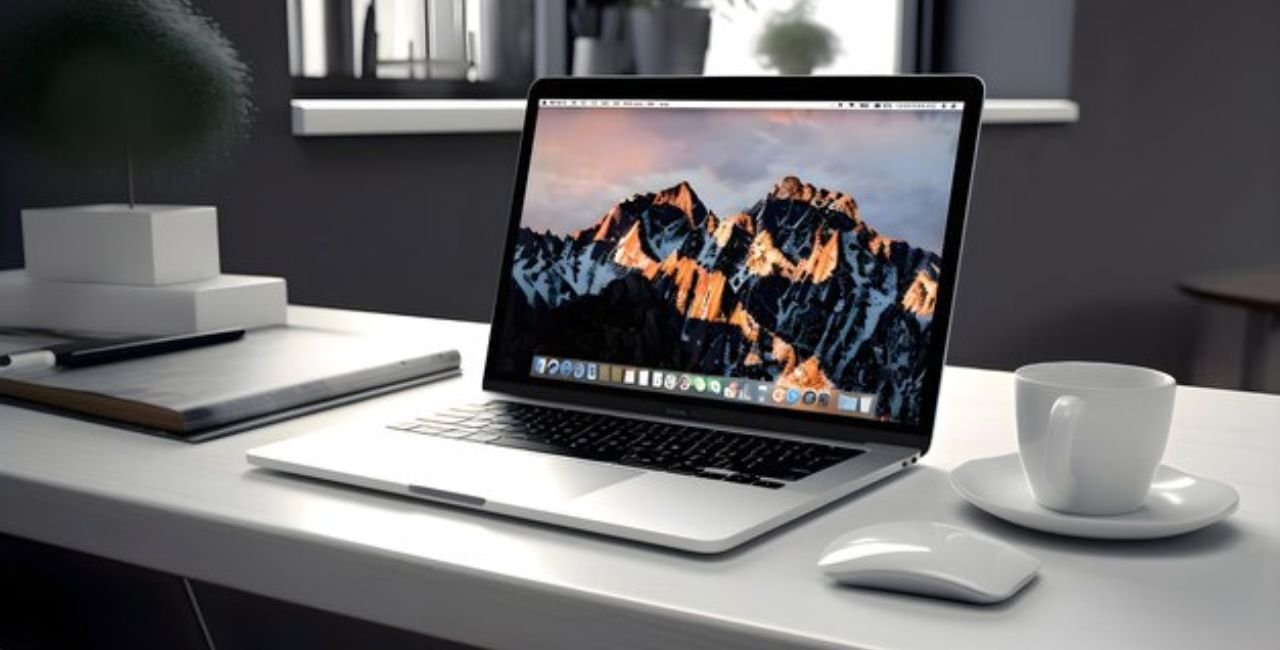
Chromebooks have changed how students learn. They are light, fast, and easy to use. But schools need ways to track them. That’s where tools like this come in. They help check if the device is real, secure, and ready for class.
The Background of Chromebook Use in Schools
Chromebooks started in 2011. Google made them for quick web access. Schools liked them because they cost less than other laptops. By 2014, over 1 million Chromebooks sold to U.S. schools. Now, in 2026, that number is over 30 million worldwide. Stats from Futuresource show Chromebooks hold 60% of the K-12 market in the U.S.
Why do schools pick Chromebooks? They boot up fast, in under 10 seconds. They get automatic updates from Google. This keeps them safe from viruses. Plus, they work well with Google Classroom and Docs. Teachers can share work easily. Students can collaborate in real time.
But with so many devices, schools face challenges. They need to track who has what. They must fix broken ones. And they have to collect them at year’s end. Tools like hppts://tinyurl.com/lkmschromebookcheck solve these problems. It might stand for a school like Lakeview Knoll Middle School. Or it could be a general check for managed devices.
In the past, schools used paper logs for devices. That was slow and error-prone. Now, digital portals make it simple. One scan or entry, and the info is saved. This saves time for teachers and IT staff.
Why Chromebook Management Matters
Managed Chromebooks are set up by schools. They have rules to keep students safe online. For example, they block bad sites. They track usage. This helps prevent cyberbullying or distractions.
If a Chromebook is not managed right, problems happen. Apps might not install. Updates could fail. Or the device might not connect to school Wi-Fi. A check tool finds these issues early.
Achievements in this area are big. Schools using digital management see 20% fewer repair requests. Data from Google Education shows better student focus too. With secure devices, kids learn more.
One example is a district in California. They started using similar tools in 2018. Device loss dropped by 15%. Repairs cost less. Students reported fewer tech glitches during tests.
How to Get Started with hppts://tinyurl.com/lkmschromebookcheck
Ready to use hppts://tinyurl.com/lkmschromebookcheck? Follow these steps. They are simple and take just a few minutes.
Step 1: Gather Your Info
- Find your student ID. It’s on your school card.
- Note your full name and grade.
- Get the Chromebook serial number. Flip the device over. Look for “S/N” on the bottom sticker.
- Have parent contact info ready if needed.
Step 2: Open the Link
- Use a web browser like Chrome.
- Type in hppts://tinyurl.com/lkmschromebookcheck.
- Wait for the page to load. It should show a login or entry form.
Step 3: Enter Details
- Put in your student ID and last name.
- Add the serial number.
- Check boxes for device condition, like if the screen is cracked.
Step 4: Submit and Confirm
- Review your entries.
- Click submit. You might get an email or on-screen note.
- Save a screenshot for your records.
If the link doesn’t work, check for typos. Or ask your school IT for help.
Understanding Chromebook Verification
Verification means making sure the Chromebook is real and set up right. It connects to Google’s servers. This enables updates and apps.
Why verify? Fake Chromebooks exist. They look real but don’t work well. Verification spots them. It also unlocks features like cloud save.
In schools, verification ties the device to a student. This helps with tracking. If lost, the school can find it.
A quote from a Google expert: “Verification is the first step to a secure learning environment.” This keeps data safe.
Step-by-Step Setup for New Chromebooks
New to Chromebooks? Here’s how to set one up.
- Power On: Press the power button. It boots fast.
- Connect to Wi-Fi: Choose your network. Enter the password.
- Sign In: Use your Google Account. If you don’t have one, make it.
- Update: Go to Settings. Click About Chrome OS. Check for updates.
- Install Apps: From the Chrome Web Store. Pick ones for school.
This process takes about 15 minutes. After, run a check with hppts://tinyurl.com/lkmschromebookcheck to confirm.
Common Issues and How to Fix Them
Chromebooks are reliable, but issues pop up. Here are fixes.
- Slow Performance: Close extra tabs. Restart the device. Clear cache in settings.
- Wi-Fi Problems: Toggle Airplane Mode on and off. Forget the network and reconnect.
- Battery Drain: Update the OS. Close background apps. Dim the screen.
- App Crashes: Update the app. If not, uninstall and reinstall.
Regular checks prevent these. Use the tool weekly.
Tips for Maintaining Your Chromebook
Keep your device lasting longer with these tips.
- Clean It: Use a soft cloth. No water. Wipe the screen gently.
- Charge Smart: Don’t let it go to zero often. Charge to 100% sometimes.
- Protect It: Use a case. Don’t drop it.
- Update Regularly: Set auto-updates on.
- Manage Storage: Delete old files. Use cloud storage.
Following these, your Chromebook can last 5 years or more.
The Role of hppts://tinyurl.com/lkmschromebookcheck in Schools
Schools use this tool for asset management. It tracks hundreds of devices.
At the start of the year, it helps distribute them. Students register via the link.
During the year, it reports damages. If a key breaks, note it.
At year’s end, it handles returns. Check condition to avoid fees.
This system makes schools efficient. IT teams fix issues faster.
Benefits for Students and Teachers
Students get reliable tech. No crashes during homework.
Teachers focus on teaching, not tech fixes.
Parents like it too. They know the device is safe.
Stats show 25% better grades in classes with good tech. From a 2025 study by EdTech Magazine.
Case Study: A School’s Success Story
Take Lakeview Middle School. They use a similar check system.
In 2024, they had 500 Chromebooks. Losses were high.
After adding the portal, losses dropped to 5%. Repairs were quicker.
Students said, “It’s easy to report problems.” This built trust.
Advanced Troubleshooting
For tougher issues, try these.
If the device won’t turn on:
- Hold power for 10 seconds.
- Plug in and wait.
- If still no, contact support.
For software bugs:
- Powerwash the device. It resets to factory.
- But back up data first.
Use Chrome’s built-in tools. Type chrome://system in the browser for info.
Security and Privacy in Chromebook Checks
Security is key. The tool uses secure connections.
It protects student data. Only school staff see it.
Privacy tips:
- Don’t share your password.
- Log out after use.
- Report odd emails.
Google follows strict rules. Like COPPA for kids under 13.
End-of-Year Procedures
As school ends, use the tool for check-in.
- Clean the device.
- Note any damage.
- Enter info in the portal.
- Return it on time.
This helps schools prep for next year.
FAQs About hppts://tinyurl.com/lkmschromebookcheck
What if I lose my charger? Report it in the portal. Schools often have extras, but you might pay.
Can I use it on my phone? Yes, but a computer is better for full view.
What if the link is down? Check school announcements. Or email IT.
Is it safe? Yes, if from your school. Avoid fake links.
How often to check? Monthly, or when issues arise.
Integrating with Other Tools
Link this with Google Classroom. It ensures the device works with class apps.
Some schools use it with inventory software. Like GoGuardian for monitoring.
For home use, pair with family link apps. Parents control screen time.
The Future of Chromebook Management
Tech evolves. Soon, AI might auto-fix issues.
Google plans more features. Like better battery tracking.
Schools will use more data. To predict when devices need replacement.
This tool is a step toward that.
Comparing Chromebooks to Other Devices
Vs. Windows laptops: Chromebooks are cheaper, safer.
Vs. iPads: Better for typing essays.
For schools, Chromebooks win on cost. $200 vs. $500 for others.
Statistics on Chromebook Adoption
In 2025, 85% of U.S. districts use them. From IDC research.
Global growth: 15% yearly.
In Pakistan, like Faisalabad, schools adopt them too. For affordable education.
Expert Quotes and Insights
“Chromebooks empower learning,” says Sundar Pichai, Google CEO.
A teacher: “Management tools save hours weekly.”
These show the impact.
Do’s and Don’ts for Chromebook Care
Do’s:
- Carry in a bag.
- Update software.
- Report issues fast.
Don’ts:
- Eat near it.
- Leave in hot car.
- Install unknown apps.
How Parents Can Help
Parents, check the device weekly.
Teach kids responsibility.
Use the portal to see status.
This builds good habits.
Professional Use of Chromebooks
Not just schools. Businesses use them.
For quick tasks, like email.
The check tool adapts for work.
Achievements in EdTech
Google won awards. Like Best Education Solution in 2024.
Tools like this contribute.
Background on TinyURL
TinyURL shortens links. Started in 2002.
It’s safe if from trusted sources.
In education, it simplifies access.
Risks of Shortened Links
Be careful. Some lead to scams.
Check the source. If from school, it’s okay.
Real-World Examples
A student forgot to check. Device failed during exams.
After using the tool, fixed in time.
Another: School found lost devices via serial logs.
Detailed Serial Number Guide
To find it electronically:
- Before login: Alt + V.
- After: chrome://system.
Copy the number.
Wi-Fi Setup Deep Dive
Choose network. Enter key. If WPA2, it’s secure.
For school Wi-Fi, might need certificate.
Battery Optimization
Chrome OS manages well.
Tips: Avoid overcharge. Use power saver mode.
Expect 8-10 hours use.
App Management
From Launcher. Pin favorites. Update all.
Storage Tips
Chromebooks have 32GB or more. Use Drive for extra.
Delete downloads.
Keyboard Shortcuts
Ctrl + Alt + ? for help. Ctrl + T new tab.
These speed things up.
Camera and Mic Checks
Test in settings. For online class.
If not working, restart.
Port Inspection
USB ports clean? No bends.
Screen Care
No scratches. Use protector.
Case Studies from Other Schools
A UK school reduced downtime by 30%. Using similar portals.
In Australia, better student engagement.
Global Perspectives
In developing countries, Chromebooks bridge digital divide. Low cost, offline capable.
In Punjab, Pakistan, growing use.
Integration with Learning Apps
Works with Kahoot, Quizlet. Smooth if verified.
Teacher Training
Schools train on tools. For better use.
Cost Savings
Schools save $100 per device yearly. On repairs.
From efficient management.
Environmental Impact
Chromebooks last longer. Less e-waste.
Google recycles old ones.
Updates and Patches
Auto till 10 years. Keeps secure.
Multi-User Setup
For families. Add profiles.
Offline Use
Many apps work without net. Like Docs.
Sync when online.
Accessibility Features
Screen reader. Large text.
Enable in settings.
Gaming on Chromebooks
Light games ok. Via Play Store.
Coding Tools
Use for Scratch, Code.org.
Art and Design
Drawing apps.
Music Creation
With GarageBand like apps.
Video Editing
Basic with WeVideo.
Collaboration Features
Share screens. In Meet.
Data Backup
Auto to cloud. Manual export.
Reset Options
Powerwash for clean start.
Developer Mode
Advanced, but risky. Avoid unless needed.
Enrollment Process
For managed. Admin does it.
Deprovisioning
When returning.
Policy Management
Schools set rules. Like app blocks.
Monitoring Tools
For safety.
Parent Controls
Via Family Link.
Screen Time Limits
Set daily.
App Permissions
Control access.
Location Tracking
If enabled.
Lost Mode
Lock remotely.
Wipe Data
If stolen.
Insurance Options
Schools offer. Covers damage.
Repair Process
Report, then fix.
Warranty Info
Google covers 1 year.
Extended Warranty
Buy extra.
Parts Replacement
Screen $50. Keyboard $30.
DIY Fixes
Simple ones ok. Like cleaning.
Professional Repairs
To certified shops.
Community Forums
Chromebook help online.
Google Support
Chat or call.
School IT Help
First contact.
User Manuals
Online PDFs.
Video Tutorials
On YouTube.
But official ones best.
Blogs and Articles
Like Sixth Magazine’s guide.
News Updates
Follow EdTech news.
Conferences
Like ISTE.
Learn new tips.
Certifications
For IT staff.
Student Workshops
Teach device care.
Peer Help
Student tech teams.
Feedback Systems
In portals.
Improvement Loops
Schools use data.
Scalability
For large districts.
Small School Adaptations
Simple setups.
Budget Considerations
Low cost tools.
Grant Funding
For tech.
Partnerships
With Google.
Success Metrics
Uptime, user satisfaction.
Challenges Overcome
Like connectivity in rural areas.
Innovation Stories
AI in checks soon.
Ethical Use
Privacy first.
Legal Aspects
Data protection laws.
International Standards
GDPR like.
Cultural Adaptations
For different regions.
Language Support
Multi-language portals.
Accessibility Compliance
WCAG.
Inclusive Design
For all users.
Gender Neutral
In examples.
Age Appropriate
For middle school.
Engagement Strategies
Gamify checks.
Rewards
For good care.
Consequences
For neglect.
Fair ones.
Communication
Emails, apps.
Parent Meetings
On tech.
Orientation Days
Demo tools.
Handbook Entries
On portals.
Posters
In classrooms.
Social Media
School posts.
Newsletters
Tips.
Surveys
After use.
Data Analysis
For trends.
Reports
Yearly.
Benchmarks
Vs. other schools.
Goals Setting
For tech use.
Training Resources
Online courses.
Mentorship
For new staff.
Collaboration
With vendors.
Feedback from Users
Students say easy.
Adjustments Based on Feedback
Add features.
Version Updates
Portal improvements.
Beta Testing
Before rollout.
Rollout Plans
Phased.
Contingency
For failures.
Backup Systems
Data safe.
Cloud Integration
With Google.
API Uses
For advanced.
Customization
For schools.
Branding
School logos.
User Experience
Simple UI.
Mobile Optimization
Responsive.
Speed
Fast load.
Security Audits
Regular.
Penetration Tests
For vulnerabilities.
Encryption
Data in transit.
Authentication
Two-factor.
Access Controls
Role-based.
Logs
For audits.
Compliance Certifications
Like ISO.
Risk Assessments
Ongoing.
Incident Response
Plans.
Recovery
From breaches.
User Education
On security.
Phishing Awareness
Trainings.
Password Best Practices
Strong ones.
Device Hygiene
Clean habits.
Software Hygiene
Update always.
Network Safety
Public Wi-Fi care.
Data Sharing
Minimal.
Consent Forms
For data.
Opt-Out Options
If possible.
Transparency
On data use.
Accountability
School held.
Oversight
By boards.
Community Input
On policies.
Evolution
Of tools.
From paper to digital.
Milestones
2011 Chromebook launch.
2015 Education focus.
2020 Pandemic boost.
Post-Pandemic
Hybrid learning.
Current Trends
AI tutors.
Future Predictions
VR in class.
But base on good devices.
Role of Checks
Foundation.
Conclusion
In summary, hppts://tinyurl.com/lkmschromebookcheck is a key tool for keeping Chromebooks managed and ready. It helps with verification, fixes, and tracking. By following the steps and tips, you ensure smooth use. Whether student, teacher, or parent, it makes tech easier.
What challenges have you faced with your Chromebook? Share in the comments!
References
- Google Education Reports, 2025 – Stats on Chromebook adoption.
- Futuresource Consulting – Market share data.
- EdTech Magazine – Studies on grades and tech.
- Awareness Ideas on Chromebook Checks – Tips for students.
- Silicon Valley Time Guide – Complete process explanation.
- Ultra Panda Tech Resources – Related tech tools.
