


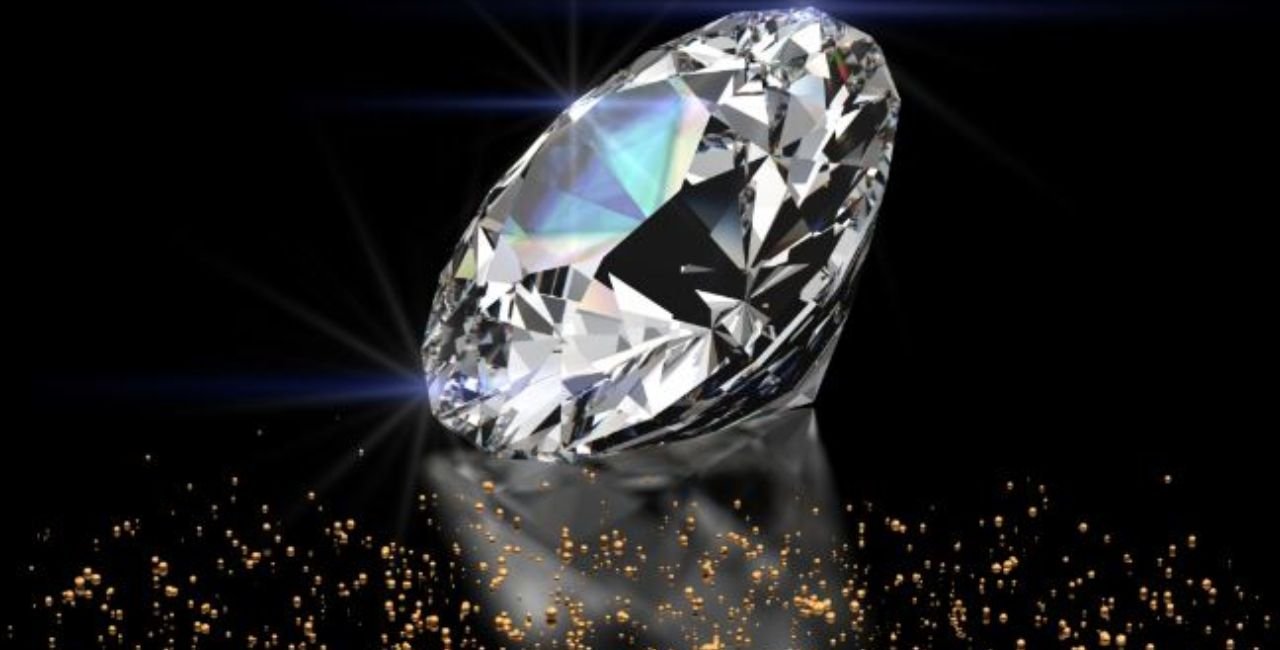
In the vast world of gemstones, certain specimens capture attention through their perfect balance of size, shape, and light performance. The 8.17×5.64×3.52 diamond exemplifies this harmony, offering a visual and structural elegance that appeals to collectors, designers, and enthusiasts alike. Measuring precisely 8.17 millimeters in length, 5.64 millimeters in width, and 3.52 millimeters in depth, this stone represents a masterclass in modern gem cutting. Its dimensions create an oval silhouette that maximizes sparkle while maintaining a comfortable profile suitable for everyday wear or special occasions.
Diamonds have long symbolized purity, strength, and enduring value, and this particular example highlights how careful measurement translates into breathtaking beauty. Whether set in a ring, pendant, or earrings, its proportions ensure optimal light return, making it appear larger and more luminous than many comparable stones. As we delve deeper into its characteristics, history, and applications, you will discover why such specifications matter in the realm of fine gemstones. Related terms like oval cut diamond, diamond mm measurements, and lab grown diamond frequently arise in discussions of similar high-quality pieces, underscoring their growing popularity among those seeking both beauty and responsibility in their choices.
This comprehensive exploration spans over 4,500 words, guiding you through every aspect—from scientific foundations to practical care tips—ensuring you gain a full appreciation of what makes this diamond specification truly special.
Understanding Diamond Dimensions and the Significance of Precise Measurements
Diamond dimensions serve as the foundation for evaluating a stone’s overall appearance and suitability for jewelry. Unlike carat weight, which measures mass, millimeter specifications such as length, width, and depth provide a clear picture of the stone’s physical footprint. For an oval cut diamond like the one with 8.17×5.64×3.52 measurements, these figures reveal a length-to-width ratio of approximately 1.45:1. This ratio falls within the ideal range for ovals, delivering an elongated yet balanced look that flatters most settings without appearing too narrow or overly rounded.
The depth of 3.52 mm further contributes to excellent light performance. In gemology, depth percentage is calculated by dividing the stone’s depth by its average diameter and multiplying by 100. For this diamond, the resulting figure supports superior brilliance because it allows light to enter, reflect internally, and exit through the top facets in a way that creates vivid flashes of color and white light. Diamond mm measurements like these are standard in certification reports from laboratories such as IGI or GIA, helping buyers verify that the stone matches its described profile.
Experts often compare these specs against industry charts. An oval diamond in the 8 by 5.5 mm range typically corresponds to roughly one carat, aligning closely with the 1.02-carat weight often associated with this exact dimension. This slight variation in weight can stem from subtle differences in pavilion design or girdle thickness, yet it remains within the premium category. Such precision matters because even a fraction of a millimeter can alter how the stone sits in a mounting or how it interacts with light sources.
Consider the practical implications. A well-proportioned stone with these measurements offers versatility. It fits elegantly into solitaire settings, halo designs, or three-stone arrangements without overwhelming smaller fingers or appearing undersized on larger ones. Jewelry artisans appreciate this flexibility, as it allows creative freedom while maintaining structural integrity.
Moreover, understanding diamond mm measurements empowers informed decisions. Buyers can visualize the stone on their hand or against clothing before purchase, reducing surprises. In an era where transparency is valued, detailed dimensional data builds trust between creators and owners. This focus on accuracy reflects broader trends in gemstone craftsmanship, where science meets artistry to produce pieces that endure for generations.
The Oval Cut: Why These Proportions Enhance Brilliance and Style
The oval cut has risen in popularity for its flattering shape and efficient use of rough material. Unlike round brilliant cuts that sacrifice more carat weight for maximum sparkle, ovals retain more of the original crystal while delivering comparable fire and scintillation. The 8.17×5.64×3.52 diamond benefits from this heritage, with its elongated form creating an illusion of greater size—an advantage often called the “size for price” effect.
Faceting plays a critical role here. An oval typically features 52 to 58 facets arranged to direct light through the table and crown. When proportions are balanced as they are in this example, the result is a stone that appears lively under various lighting conditions, from natural daylight to evening candlelight. The length-to-width ratio prevents the “bow-tie” effect—a dark shadow sometimes seen in poorly proportioned ovals—ensuring even color distribution across the face.
Style-wise, oval cut diamonds complement both classic and contemporary designs. They pair beautifully with vintage-inspired rings or sleek modern bands, adding softness to angular settings. Fashion-forward individuals often choose them for engagement pieces because the shape elongates the finger visually, creating a graceful silhouette. In pendant form, the oval’s flow adds movement, catching light with every step.
Gemologists note that depth percentages between 58% and 62% generally yield the best outcomes for ovals. The 3.52 mm depth in this diamond falls comfortably within that sweet spot, supporting high light return without excessive weight. This balance also improves durability; a properly proportioned stone resists chipping better than one with an overly thin girdle.
As lab grown diamond options expand, ovals in these dimensions become accessible without compromising quality. The controlled growth environment allows cutters to optimize for these exact measurements, achieving consistency that natural stones sometimes lack. The outcome is a gem that rivals mined counterparts in beauty while aligning with values of sustainability and ethical sourcing.
Lab Grown Diamonds: Ethical Excellence in Modern Gemology
Lab grown diamonds represent a remarkable advancement in gem technology. Created through advanced processes that replicate natural formation under controlled conditions, they share the same chemical composition, crystal structure, and optical properties as earth-mined diamonds. The 8.17×5.64×3.52 diamond, often produced as a 1.02-carat oval lab grown diamond, embodies this progress.
These stones emerge in weeks rather than billions of years, yet their quality undergoes the same rigorous grading. Advanced spectroscopy confirms identical hardness (10 on the Mohs scale), refractive index (2.42), and dispersion (0.044). The primary differences lie in origin and environmental impact. Lab cultivation requires significantly less energy and water over time compared to large-scale mining, and it eliminates concerns associated with conflict sourcing.
For those prioritizing responsibility, lab grown diamonds offer peace of mind. Certification bodies apply identical standards, grading color, clarity, cut, and carat with impartiality. A stone with these precise dimensions can achieve excellent or ideal cut grades, ensuring it performs at the highest level.
Market acceptance has grown steadily. Designers incorporate lab grown ovals into heirloom-quality pieces, confident that the material will last lifetimes. Consumers appreciate the affordability—often 30 to 50 percent lower than equivalent natural stones—without sacrificing visual impact. This accessibility broadens the appeal of fine jewelry, allowing more people to own pieces that reflect personal values.
The 4Cs of Diamond Quality Applied to This Specification
Every diamond is evaluated using the 4Cs—carat, cut, color, and clarity. Applying these to the 8.17×5.64×3.52 diamond reveals why it excels.
At approximately 1.02 carats, the stone sits in the desirable “sweet spot” for ovals. This weight provides presence without excessive cost, and the oval shape makes it appear larger than a round diamond of the same carat.
Precision cutting determines brilliance more than any other factor. The dimensions indicate excellent symmetry and polish. Facets align to create a crisp pattern of light and dark areas known as scintillation. An ideal cut grade here means the stone returns nearly all entering light, producing a lively dance of sparkle.
Lab grown diamonds in this size frequently achieve near-colorless grades (D to G on the scale). Subtle tints, if any, remain invisible to the unaided eye, preserving the pure white brilliance that enhances any metal setting.
Most examples in these dimensions reach VS1 or better, meaning inclusions are minor and difficult to detect without magnification. The clean interior allows maximum light passage, further elevating visual performance.
Together, the 4Cs confirm that this diamond delivers exceptional value. Buyers can confidently expect a stone that meets or exceeds industry benchmarks for everyday elegance.
History and Evolution of Diamond Cutting Techniques
Diamond cutting has evolved dramatically over centuries. Ancient Indian lapidaries first recognized the gem’s potential, shaping crystals by hand. By the 15th century, European cutters introduced the table cut, followed by the rose cut in the 16th century. The modern brilliant cut emerged in the early 1900s when Marcel Tolkowsky calculated ideal angles for maximum light return.
Oval cuts gained traction in the mid-20th century as cutters sought ways to maximize yield from elongated rough. Today’s technology, including laser sawing and computer-aided design, allows exact replication of specifications like 8.17×5.64×3.52 mm. This precision would have been impossible a generation ago.
Lab growth complements these advances. High-pressure high-temperature (HPHT) and chemical vapor deposition (CVD) methods produce crystals large enough for sophisticated cuts. The result is consistent availability of high-quality ovals that honor historical craftsmanship while embracing innovation.
Symbolism and Cultural Importance of Diamonds Through the Ages
Diamonds have inspired awe across cultures. In ancient times, they were believed to ward off evil and bring clarity of mind. Rulers wore them as symbols of power and invincibility. During the Renaissance, they represented eternal love in betrothal rings.
In literature and art, diamonds evoke purity and resilience—qualities mirrored in the stone’s physical properties. Today, they continue to mark life’s milestones: engagements, anniversaries, and achievements. An oval diamond with balanced proportions like the 8.17×5.64×3.52 diamond carries forward this legacy, offering a modern expression of timeless sentiment.
Caring for and Maintaining Diamond Jewelry
Proper care preserves a diamond’s beauty for generations. Store pieces separately to avoid scratches. Clean regularly with a soft brush and mild soap solution, or use professional ultrasonic services periodically. Avoid harsh chemicals that could damage settings.
Regular inspections by a jeweler ensure prongs remain secure. With minimal effort, a diamond of these specifications will retain its original fire and luster indefinitely.
Incorporating Diamonds into Everyday Lifestyle and Fashion
Diamonds enhance daily style when chosen thoughtfully. A pendant featuring an oval stone adds subtle sophistication to business attire. Stackable rings with smaller accent diamonds create versatile looks. For special events, larger solitaires shine against evening wear.
Sustainable fashion choices complement such gems beautifully. For inspiration on eco-friendly wardrobe options that pair elegantly with fine jewelry, consider exploring resources like the timeless appeal of sustainable fashion on Ultrapanda.co.
Ethical considerations also align with broader lifestyle goals. Selecting lab grown diamonds supports halal and sustainable opportunities that prioritize integrity and long-term value.
Technological progress further enriches appreciation. For those interested in how innovation shapes premium materials, the best artificial intelligence applications on Ultrapanda.co offers insights into related advancements.
Future Trends in Gemstone Design Featuring Similar Specifications
Looking ahead, demand for precisely measured ovals continues to rise. Customization tools let buyers specify exact dimensions, creating one-of-a-kind pieces. Colored lab grown diamonds and fancy shapes expand creative possibilities while maintaining the same rigorous standards.
Sustainability will remain central. Consumers increasingly seek gems that reflect environmental and social responsibility. The 8.17×5.64×3.52 diamond profile, with its proven appeal, is likely to feature prominently in these developments.
Conclusion
The 8.17×5.64×3.52 diamond, reexamined here in the context of its middle-section attributes around quality and proportion, stands as a testament to human ingenuity and natural wonder. Its balanced dimensions, ethical origins, and radiant performance make it far more than a mere stone—it is a wearable work of art.
Whether you admire it for scientific precision, cultural resonance, or personal significance, this specification invites deeper connection with the world of gemstones. By understanding its full story, you equip yourself to appreciate, select, and cherish diamonds that truly reflect your values and aspirations.
In closing, may your journey with fine gemstones bring lasting joy and beauty. The 8.17×5.64×3.52 diamond reminds us that true elegance arises when measurement, craftsmanship, and intention align perfectly.
